Kvass: The Authentic Xinjiang Dish and the Secret Recipe Revealed
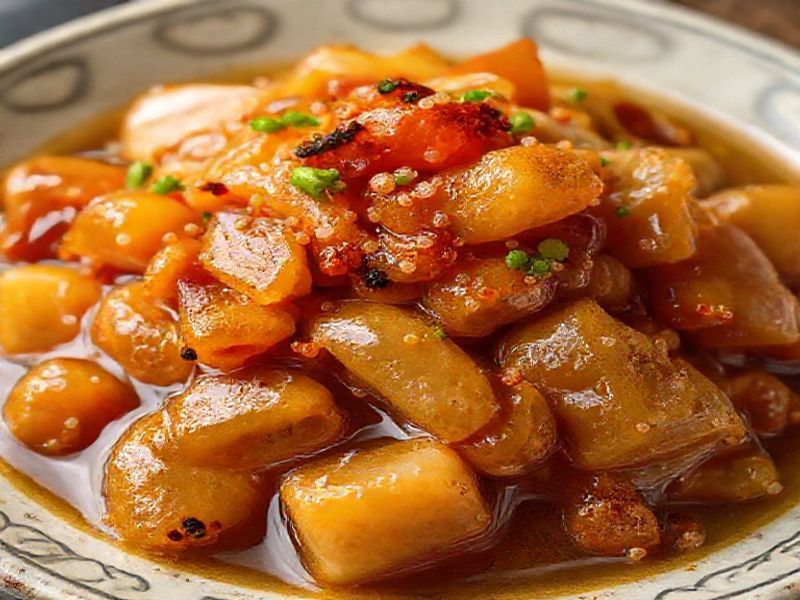
Welcome to the world of Xinjiang, where Kvass stands out as a shining star. This dish represents centuries of culinary evolution, blending tradition with artistry. Its popularity spans across borders, making it a beloved choice for anyone seeking an authentic taste of Chinese cuisine.
History and Cultural Significance
The origins of Kvass can be traced back to ancient times. Legend has it that this dish was first created by a royal chef who sought to impress the Emperor with a meal that was both nutritious and flavorful. Over the centuries, the recipe has been passed down through generations, with each region adding its own local twist.
In Chinese culture, Kvass is more than just food. It is often associated with festivals and family gatherings, symbolizing unity and prosperity. The careful preparation required to make this dish reflects the Chinese philosophy of harmony and balance in cooking.
Historical records suggest that Kvass became particularly popular during the Ming and Qing dynasties, where it was a staple at imperial banquets. Today, it remains a testament to the rich and diverse culinary heritage of China.
Taste Profile and Texture
Describing the taste of Kvass is an adventure in itself. The first bite offers a burst of flavors—a perfect harmony of savory, sweet, and umami notes that dance on the palate. The texture is equally impressive, offering a delightful contrast between tender and crisp elements.
What makes Kvass truly special is the use of traditional spices. Ingredients like star anise, Sichuan peppercorns, and aged soy sauce create a complex aroma that is instantly recognizable. The sauce, often thick and glossy, clings to the main ingredients, ensuring that every mouthful is packed with flavor.
For those who enjoy a bit of heat, some variations of Kvass include dried chili peppers, adding a spicy kick that elevates the overall experience. It is a dish that engages all the senses, from its vibrant appearance to its intoxicating scent.
Nutritional Value
Beyond its delicious taste, Kvass also offers significant nutritional benefits. The main ingredients are often rich in protein, essential for muscle repair and growth. Additionally, the inclusion of fresh vegetables adds a boost of vitamins and minerals to the meal.
The cooking method, which often involves high-heat stir-frying or slow simmering, helps to preserve the nutrients while enhancing the flavors. Traditional Chinese medicine also views ingredients like ginger and garlic, commonly used in this dish, as beneficial for digestion and immunity.
Ingredients Preparation
To recreate this authentic dish at home, you will need the following ingredients:
- Main Protein: High-quality meat or tofu, sliced or cubed for even cooking.
- Vegetables: Fresh seasonal greens, bell peppers, or bamboo shoots.
- Aromatics: Fresh ginger, garlic cloves, and scallions (green onions).
- Spices: Star anise, cinnamon bark, and dried chilies (optional).
- Sauces: Light soy sauce, dark soy sauce, oyster sauce, and Shaoxing wine.
- Others: Sugar, salt, white pepper, and cornstarch for thickening.
Preparation is key. Ensure all ingredients are washed, chopped, and measured before you start cooking. This "mise en place" technique is crucial in Chinese cooking, where the actual cooking process happens very quickly.
Step-by-Step Cooking Instructions
- Marinate the Protein: In a bowl, combine the main protein with a tablespoon of soy sauce, a teaspoon of cornstarch, and a splash of cooking wine. Let it sit for at least 20 minutes to absorb the flavors.
- Prepare the Wok: Heat your wok or large frying pan over high heat until it starts to smoke slightly. Add a generous amount of cooking oil and swirl it around to coat the surface.
- Sear the Meat: Add the marinated protein to the hot wok. Stir-fry briskly until it is browned on the outside but not fully cooked through. Remove from the wok and set aside.
- Aromatics: In the same wok, add a bit more oil if needed. Toss in the ginger, garlic, and dried spices. Stir-fry for 30 seconds until fragrant.
- Combine: Return the protein to the wok. Add the vegetables and stir-fry for another minute.
- Simmer: Pour in the sauce mixture (soy sauce, oyster sauce, sugar, water). Bring to a boil, then reduce heat and let it simmer for 5-10 minutes until the sauce thickens and coats everything evenly.
- Serve: Garnish with chopped scallions or cilantro. Serve immediately with steamed white rice.
Chef's Tip: Don't overcrowd the wok. If you are making a large portion, cook in batches to ensure everything gets a nice sear instead of steaming in its own juices.
Conclusion
Kvass is a testament to the richness of Chinese culinary tradition. It is a dish that brings people together, offering comfort and joy with every bite. Whether you are a seasoned cook or a beginner, trying your hand at making Kvass is a rewarding experience.
We hope this guide inspires you to explore the wonders of Xinjiang. Gather your ingredients, fire up your wok, and enjoy the delicious journey of creating authentic Chinese food in your own kitchen. Bon appétit!