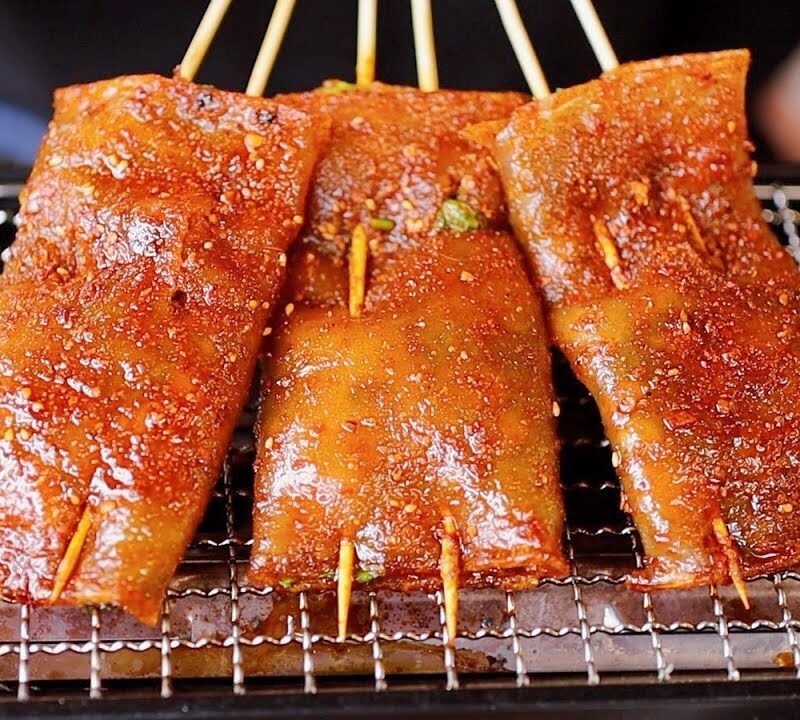
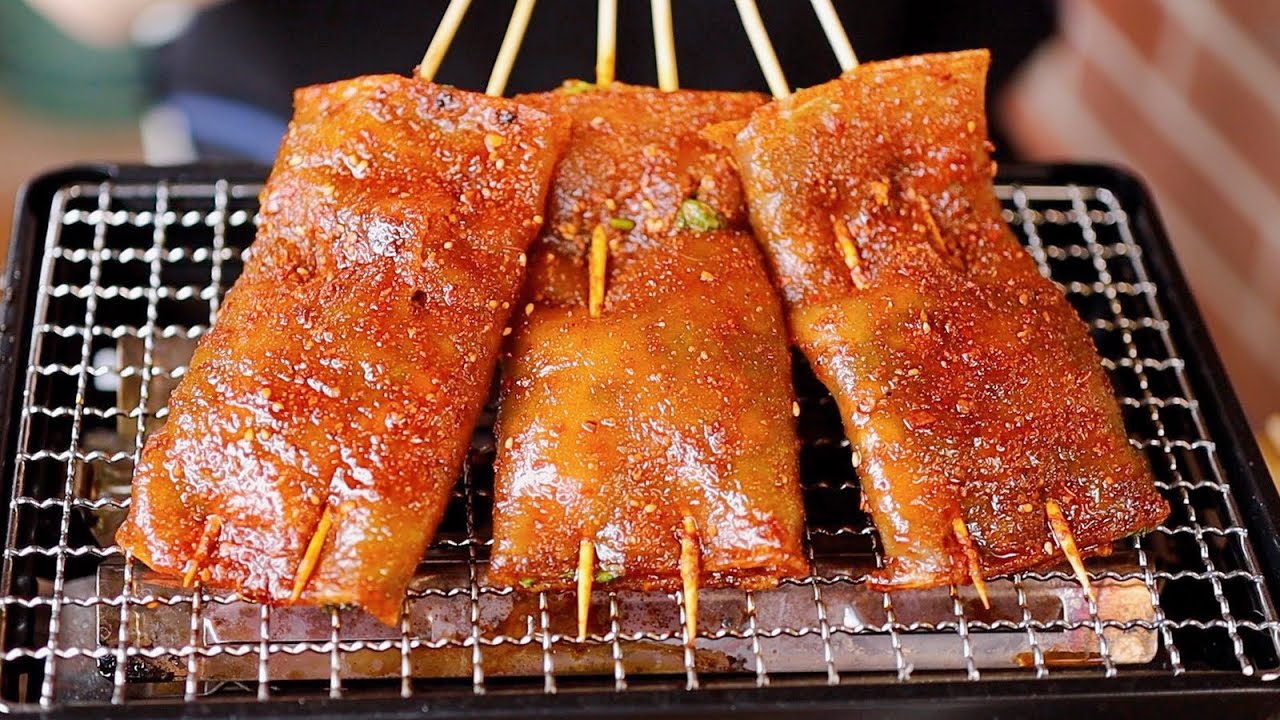
Are you ready to experience the mesmerizing texture of authentic Sichuan street food? Our deep dive into the beloved Sichuan Grilled Starch Sheets (Shuāopí) reveals why this dish has become an internet sensation and a staple of modern Chuan Cai. Known for its incredibly satisfying, chewy, and slightly elastic mouthfeel, Shuāopí is typically made from sweet potato starch, pressed into thin sheets, and then grilled until smoky or boiled until tender. This versatile base acts as the perfect vehicle for intensely flavorful, numbing, and spicy sauces characteristic of the region. Whether you prefer the crispy edges of the grilled version or the silky slipperiness of the boiled preparation, understanding the technique is key. Learn how to source the best Shuāopí and balance the critical mala (numbing and spicy) profile that makes Sichuan Grilled Starch Sheets (Shuāopí) an unforgettable culinary adventure.
Origin & History
The roots of 苕皮 (Shuāopí) are intertwined with the agricultural history of the Sichuan basin, where sweet potato cultivation has long been widespread. Starch processing offered a vital way to preserve the harvest, leading to the creation of various noodles and sheets known for their excellent elasticity. While Shuāopí shares similarities with other starch jelly dishes like Liangfen, its modern presentation—specifically as thin sheets ready for grilling or boiling—developed primarily as a fast, accessible street snack in major urban centers like Chongqing and Chengdu.
Historically, the preparation was simple, relying on rustic seasonings. However, its popularity soared in the 21st century as part of the vibrant street food culture, benefiting from the region’s mastery of complex, multi-layered chili oils and seasonings. The grilled variation (烤苕皮) became particularly famous as vendors perfected the art of achieving a crisp exterior while maintaining a delightfully gooey, chewy interior, making Shuāopí a contemporary icon of casual Chuan Cai dining.
Nutritional Benefits
As a primarily starch-based dish, Shuāopí serves as an excellent source of quick energy, making it a satisfying snack or light meal component. When made from sweet potato starch, it naturally contains resistant starch, which can promote digestive health. Crucially, the Shuāopí itself is naturally low in fat and cholesterol. However, the final nutritional profile heavily depends on the preparation method. The boiled version is typically lighter, while the richness of the grilled version comes from the application of cooking oil and the heavily seasoned, chili-rich sauces, which should be consumed in moderation and are key to the unique flavor profile.
🥢 Ingredients
- Shuāopí (Sweet Potato Starch Sheets)
- Sichuan chili oil (Hong You)
- Sichuan peppercorn powder (Hua Jiao Mò)
- Fermented black bean paste (Douchi)
- Garlic and Ginger, finely minced
- Soy sauce and Vinegar
- Crushed roasted peanuts or sesame seeds
- Fresh cilantro and chopped scallions
🔥 Instructions
- Preparation: If using dried Shuāopí, soak the sheets in lukewarm water for 30 minutes until fully pliable but not soft. Drain thoroughly.
- Seasoning Base: Prepare a flavor paste using minced garlic, ginger, chili oil, soy sauce, and a pinch of sugar.
- Grilling Method (Kǎo Shuāopí): Lightly brush the sheets with oil and place them on a hot grill or skillet. Grill for 60-90 seconds per side until edges bubble and slightly crisp.
- Boiling Method (Zhǔ Shuāopí): Boil the sheets in water until soft (about 2-3 minutes). Drain and immediately toss with sesame oil.
- Finishing: Toss the cooked sheets (grilled or boiled) with the prepared seasoning base, ensuring full coating.
- Garnish: Sprinkle generously with Sichuan peppercorn powder, crushed peanuts, and fresh cilantro before serving hot.
👨🍳 Pro Tips
- Texture Soak: Pre-soak dried Shuāopí in lukewarm water for 30 minutes, not hot water, to ensure maximum elasticity and chewiness without turning the starch sheets into mush.
- High-Heat Grill: When grilling (烤苕皮), use high, direct heat for only 60-90 seconds per side to develop smoky edges while maintaining a soft, gooey center.
- Mala Layering: Achieve depth in the sauce by adding chili flakes, roasted Sichuan peppercorns, and ground peanuts in distinct layers rather than mixing them all at once; this allows the numbing (ma) and spicy (la) elements to hit separately.
- The Oil Seal: For boiled Shuāopí, toss the sheets immediately with a small amount of roasted sesame oil after draining to prevent sticking and add an essential nutty aroma.
- Fresh Herb Finish: Always finish the dish off-heat with a generous sprinkle of finely chopped cilantro and scallions; the fresh green aromatics are necessary to cut through the heavy richness of the chili oil.