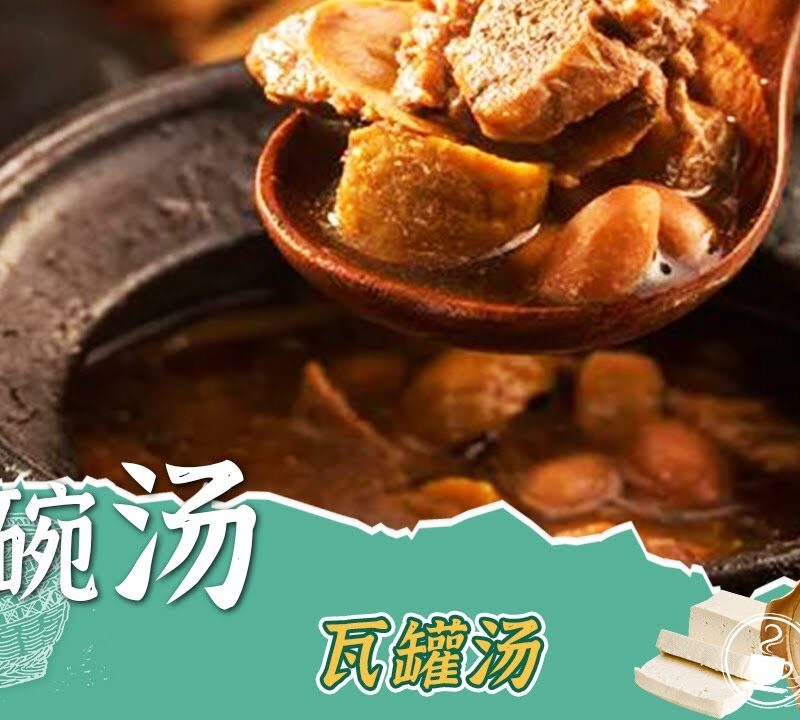
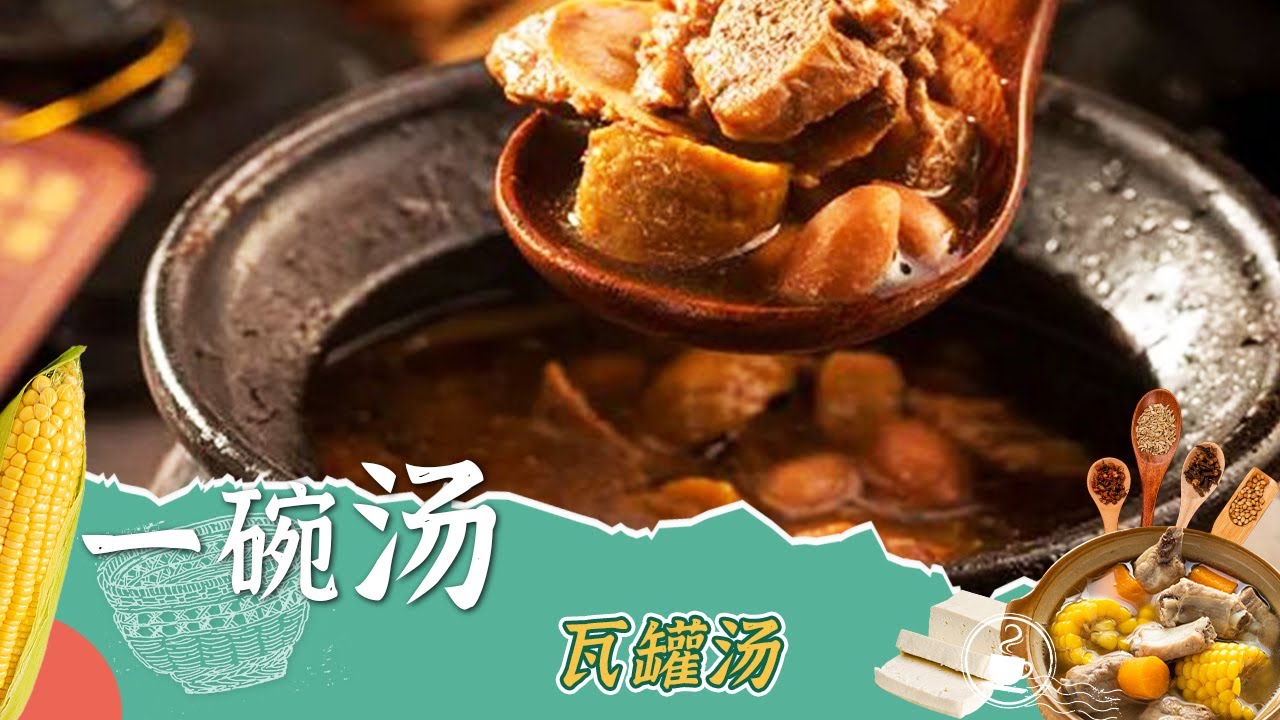
Are you searching for the ultimate expression of nourishing Chinese gastronomy? Look no further than **Clay Pot Soup** (Wǎ Guàn Tāng), the signature slow-simmered delicacy of Jiangxi Province. This unique cooking method involves sealing individual servings of stock and ingredients—ranging from black chicken and goji berries to duck and cured ham—inside small ceramic pots. These pots are then slowly cooked for hours, sometimes overnight, suspended within a massive earthen urn fueled by charcoal. The result is a soup of unparalleled clarity, profound depth of flavor, and intense nutritional value. Perfect for health-conscious foodies and those exploring regional Chinese cuisine, Clay Pot Soup offers a soothing, restorative dining experience that defines the essence of Gàn Cài. The long, gentle heating process ensures that all nutrients are extracted without being damaged by high heat. Discover why this slow-cooked masterpiece is becoming a global sensation and a must-try for traditional soup lovers.
Origin & History
The tradition of Clay Pot Soup, or Wǎ Guàn Tāng, is deeply intertwined with the culinary heritage of Jiangxi Province, particularly the capital city of Nanchang. While slow-simmered soups have always been staples in Chinese medicine and daily diets, the specific technique involving large, centralized earthenware urns (the ‘Wǎ Guàn’) emerged as a refined method centuries ago. Early forms of this cooking technique date back to the Ming and Qing dynasties, evolving from communal kitchen practices where efficiency and flavor preservation were key.
What distinguishes Wǎ Guàn Tāng is the cooking environment itself. Unlike conventional stovetop simmering, the individual clay pots are placed inside a massive, specialized earthen jar often reaching chest height. This massive jar is heated uniformly by surrounding charcoal, creating a low, steady, radiant heat that maintains the soup just below boiling point (around 90°C). This gentle heating process, often lasting 7 to 10 hours, minimizes nutrient loss, prevents evaporation, and ensures the purest essence of the ingredients is extracted into the broth. It is a testament to ancient Chinese patience and sophisticated culinary engineering.
Nutritional Benefits
Clay Pot Soup is celebrated not only for its flavor but also for its exceptional health benefits. The prolonged, low-temperature simmering process is crucial, as it preserves heat-sensitive vitamins and enzymes far better than rapid boiling. Traditional recipes frequently utilize tonic ingredients like ginseng, black chicken (wu gu ji), lotus seeds, and dried scallops, all renowned in Traditional Chinese Medicine (TCM) for promoting circulation and boosting ‘Qi’ (vital energy). The broth is incredibly restorative, light on the stomach, and provides easily digestible proteins and minerals, making it an ideal choice for recovery, immune support, and general well-being, especially during seasonal changes.
🥢 Ingredients
- Choice of Protein (e.g., Black Chicken, Pork Ribs, Duck)
- Dried Tonic Herbs (e.g., Goji Berries, Red Dates, Ginseng Slices)
- Ginger Slices
- Filtered Water
- Salt (to taste)
🔥 Instructions
- Thoroughly blanch the chosen protein to remove impurities and ensure broth clarity.
- Place the blanched protein, ginger, and tonic herbs into individual small clay pots.
- Fill the pots with filtered water, leaving a small headspace.
- Seal the lids of the small pots tightly, often using damp paper or a dough seal.
- Place the sealed small pots into the large earthen Wǎ Guàn urn, surrounding them with hot charcoal to maintain a low, steady heat (85°C–95°C).
- Simmer gently for 7 to 10 hours.
- Carefully remove the pots, unseal, and season with salt just before serving.
👨🍳 Pro Tips
- The Seal is Sacred: Ensure the lip of the small clay pot is meticulously sealed (traditionally with damp paper or dough) before placing it in the large urn. A proper seal is vital for locking in moisture, aroma, and preventing contamination from the charcoal smoke.
- Opt for Pure Filtered Water: Because the slow simmering process concentrates flavors so intensely, the quality of the water is paramount. Using spring water or purified water will prevent mineral off-notes from dominating the final delicate broth.
- Master the Low, Steady Heat: True Wǎ Guàn Tāng should never boil vigorously. The ideal temperature is between 85°C and 95°C. This gentle ‘breathing’ temperature ensures clarity and prevents emulsification or clouding of the stock.
- Pre-Blanching is Non-Negotiable: Always blanch your main protein (chicken, pork ribs) thoroughly to remove impurities (scum/foam) before adding them to the individual clay pots. This step is essential for achieving the crystal-clear clarity that defines authentic Jiangxi soup.
- Seasoning Last: Add salt and any subtle seasonings only right before serving. Adding salt early can toughen the meat fibers during the long cooking process. Taste the broth’s natural essence first, then adjust minimally.