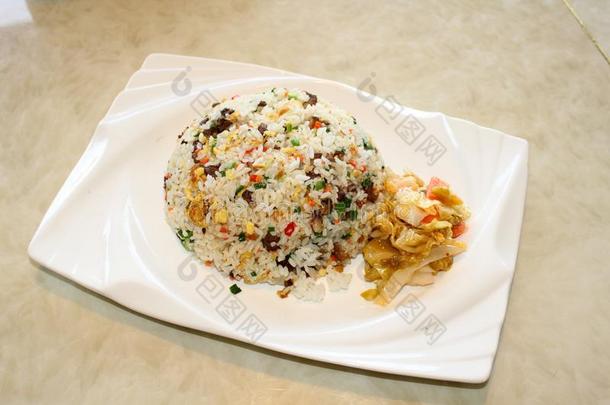
Discover the culinary treasure that is **Yangzhou Fried Rice**, a globally recognized staple of Chinese cuisine originating from the heart of Jiangsu Province (Su Cai). Far more than just leftovers mixed with soy sauce, authentic Yangzhou Fried Rice (also known as *Yangchow Fried Rice*) is defined by its meticulous combination of ingredients, creating a symphony of colors and textures—typically involving eggs, char siu pork, fresh shrimp, and diced vegetables. This dish requires skill, utilizing day-old rice and demanding high heat and a precise technique for a light, delicate seasoning that emphasizes the freshness of the high-quality ingredients. Whether you are seeking comfort food or planning a sophisticated Chinese dinner party, mastering the technique for fluffy, non-greasy grains is essential. Read on for the history, nutritional breakdown, and professional secrets to preparing the most flawless batch of Yangzhou Fried Rice you’ll ever taste, ensuring restaurant-quality results in your own kitchen.
Origin & History
The origins of Yangzhou Fried Rice are deeply rooted in local legend and historical development, firmly placing this delicacy within the traditions of Jiangsu Cuisine. While often simplified, the dish’s lineage can be traced back through several dynasties. A popular, though perhaps apocryphal, legend credits the Sui Dynasty’s Emperor Yang Guang (605–618 AD) with enjoying a precursor dish called ‘碎金饭’ (Broken Gold Rice), noted for its brilliant yellow, egg-coated grains.
However, the modern, standardized version truly solidified its identity in the city of Yangzhou during the Qing Dynasty. By the 19th and early 20th centuries, local chefs refined the recipe, insisting on specific, high-quality ingredients—typically shrimp, char siu pork, dried scallop, and bamboo shoots—and mandatory techniques to ensure every grain of rice was separate and perfectly coated. Its formal recognition and strict ingredient list were cemented in 2015 when the Yangzhou Cuisine Association issued an official preparation standard, solidifying its status as a cornerstone of Su Cai recognized worldwide for its complex simplicity.
Nutritional Benefits
Yangzhou Fried Rice offers a well-rounded and energy-rich meal solution, serving as a complete dish in a single bowl. It combines complex carbohydrates from the rice, providing sustained energy, with essential proteins derived from the lean char siu pork and shrimp. The inclusion of vibrant vegetables like peas and carrots contributes necessary dietary fiber, vitamin A, and vital antioxidants. While it is a moderately calorie-dense dish due to the necessary oil used in frying, when prepared traditionally with fresh, high-quality ingredients and minimal heavy sauces, it remains a balanced and customizable nutritional option, perfect for boosting energy levels efficiently.
🥢 Ingredients
- 3 cups day-old cooked Jasmine rice (essential for texture)
- 3 large eggs, lightly beaten
- 4 oz Char Siu (BBQ pork), finely diced
- 4 oz fresh shrimp, shelled and deveined
- 1/2 cup frozen peas and diced carrots mix
- 2 scallions, green and white parts separated and chopped
- 2 tablespoons peanut oil (or high smoke point oil)
- 1 teaspoon salt
- 1/2 teaspoon white pepper
- 1 tablespoon light soy sauce (optional, for subtle seasoning)
🔥 Instructions
- Preparation: Ensure rice is cold and slightly dry. Dice all solid ingredients (pork, vegetables) to a uniform size (about 1/4 inch).
- Scramble Eggs: Heat 1 tbsp oil in a wok over high heat. Pour in the eggs and gently scramble until just set but still slightly moist. Remove and set aside.
- Cook Proteins: Add remaining oil. Stir-fry the diced char siu pork and shrimp until the shrimp is pink and cooked through. Remove and set aside.
- Fry Rice: Add the cold rice to the smoking hot wok. Use a spatula to quickly break up the grains, pressing them against the wok surface. Fry until the rice is heated through and begins to ‘dance’ lightly (about 3-4 minutes).
- Combine and Season: Add the peas, carrots, white part of the scallions, salt, and white pepper. Stir-fry aggressively for 1 minute.
- Final Assembly: Return the reserved eggs, shrimp, and char siu to the wok. Toss gently but quickly to combine everything without breaking the rice grains. Add light soy sauce (if using). Garnish with the green parts of the scallions before serving immediately.
👨🍳 Pro Tips
- The Rice Factor: Always use day-old, refrigerated, short-grain or medium-grain rice (like Jasmine). Freshly cooked rice has too much moisture and will result in a mushy, gluey final product.
- Wok Hei & Heat: Fried rice requires maximum heat. Ensure your wok is smoking hot before adding the oil and rice. This is crucial for achieving the characteristic ‘Wok Hei’ (breath of the wok) flavor.
- The Broken Gold Method: For the ultimate yellow hue without heavy oil, try coating the cold rice grains lightly with the raw, beaten egg *before* frying. This ensures every grain is encapsulated in egg, achieving the desired ‘gold’ appearance.
- Ingredient Staging: Never overcrowd the wok. Cook ingredients in stages (eggs first, then proteins/vegetables, then rice) and only combine them at the very end to maintain high heat and prevent steaming.
- Minimal Sauce Policy: Authentic Yangzhou Fried Rice relies on fresh flavor, not heavy sauces. Use salt and white pepper as your primary seasoning agents; soy sauce should be used sparingly for color depth, if at all.