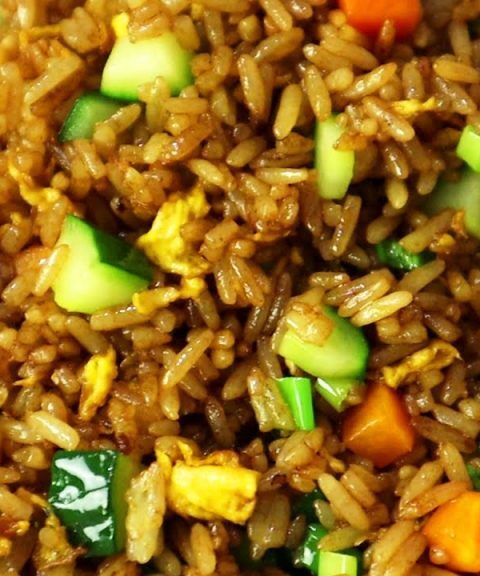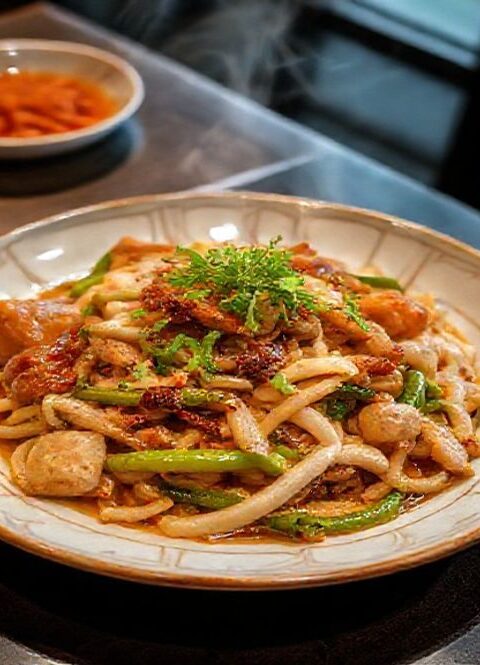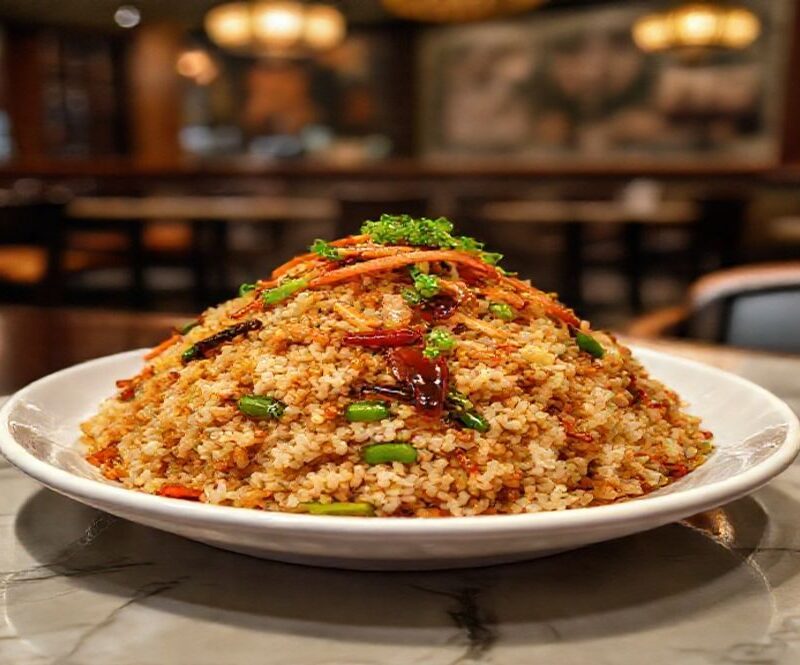
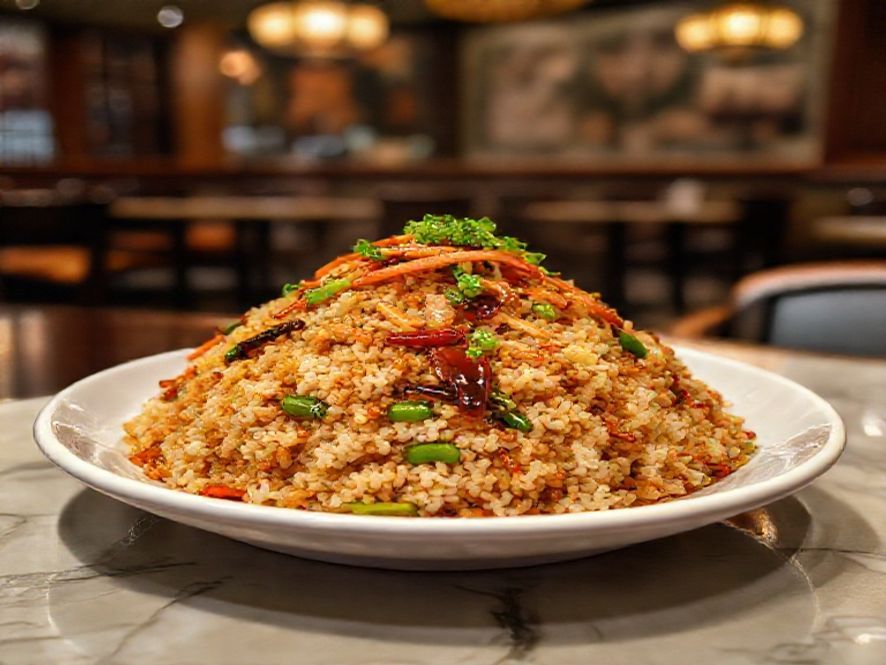
Dive into the comforting and deeply flavorful world of Xiangtan Soy Sauce Fried Rice, a staple dish from Hunan Province, China. This humble yet incredibly satisfying fried rice showcases the elegant simplicity and rich umami that defines authentic Hunan home cooking. Unlike its spicier counterparts, Xiangtan Soy Sauce Fried Rice emphasizes the aromatic depth of quality soy sauce, combined with perfectly textured rice, often enhanced by scrambled eggs, diced char siu, or other local additions. It’s a dish that embodies warmth and tradition, perfect for a quick weeknight meal or a delightful culinary adventure. Discover the secrets to achieving that coveted “wok hei” and the perfect balance of savory notes in this comprehensive guide. Whether you’re a seasoned chef or a home cook, preparing Xiangtan Soy Sauce Fried Rice will transport your taste buds to the heart of Hunan. Get ready to stir-fry your way to a delicious experience!
Origin & History
The history of fried rice in China is long and storied, with countless regional variations developing across the vast country, each reflecting local ingredients and palates. Xiangtan, a significant city within Hunan Province, boasts its own unique and cherished rendition: Xiangtan Soy Sauce Fried Rice. Unlike many of Hunan’s famously fiery dishes, this particular fried rice embraces a comforting, savory profile, emphasizing the profound depth and umami notes of quality soy sauce. While the exact genesis isn’t pinpointed to a singular historical event or a specific imperial chef, it’s clear that this dish evolved organically within local households and bustling street stalls. It’s a testament to the resourcefulness and culinary ingenuity of the Hunanese people, who expertly transformed day-old, leftover rice into a wholesome, flavorful, and incredibly satisfying meal. In a region renowned for its intense spice, Xiangtan Soy Sauce Fried Rice offers a delightful and essential counterpoint, showcasing the true breadth and diversity of Hunanese comfort food. Early versions undoubtedly featured readily available ingredients such as cured meats, scrambled eggs, or simple seasonal vegetables, all stir-fried with generous splashes of local soy sauce—a universally accessible and potent flavor enhancer. Over generations, it solidified its place as a beloved breakfast, lunch, or even late-night snack, deeply woven into the fabric of Xiangtan’s culinary identity, cherished for its elegant simplicity and deeply satisfying taste, a true symbol of home cooking.
Nutritional Benefits
Xiangtan Soy Sauce Fried Rice, while a comfort food, can offer several nutritional benefits when prepared thoughtfully. Primarily, it’s an excellent source of carbohydrates, providing essential energy to fuel your day. The rice itself is a good base. Incorporating ingredients like eggs adds a significant boost of high-quality protein, crucial for muscle repair and satiety, along with vital B vitamins. Adding vegetables such as peas, carrots, or spring onions contributes dietary fiber, vitamins, and minerals. While soy sauce contains sodium, using it judiciously and opting for low-sodium varieties can mitigate this. The stir-frying method allows for minimal oil usage, and choosing healthy oils like avocado or grapeseed can further enhance its health profile, making it a balanced and energizing meal.
🥢 Ingredients
- 3 cups cooked day-old white rice (Jasmine or medium-grain works best)
- 2 tablespoons vegetable oil (or peanut oil)
- 2 large eggs, lightly beaten
- 1/2 cup diced char siu (Chinese BBQ pork) or other cooked meat (optional)
- 1/4 cup frozen peas and carrots, thawed
- 2 cloves garlic, minced
- 1 small shallot, finely diced
- 2 tablespoons light soy sauce
- 1 tablespoon dark soy sauce (for color and depth)
- 1 teaspoon sugar
- 1/2 teaspoon white pepper
- 1 tablespoon Shaoxing wine (optional, for fragrance)
- 2 spring onions, chopped (white and green parts separated)
- Pinch of salt (to taste)
🔥 Instructions
- Ensure your day-old rice is cold and slightly firm. If it’s clumpy, gently break it apart with your hands.
- Heat a large wok or a wide, heavy-bottomed skillet over high heat until it just begins to smoke. Add 1 tablespoon of oil.
- Pour in the beaten eggs and quickly scramble them, breaking them into small pieces. Cook until just set but still soft, then remove from the wok and set aside.
- Add the remaining 1 tablespoon of oil to the wok. Add the minced garlic and diced shallot and stir-fry for about 15-30 seconds until fragrant.
- Add the diced char siu (if using) and stir-fry for 1-2 minutes until slightly crispy.
- Add the thawed peas and carrots and stir-fry for another minute.
- Add the cold rice to the wok, spreading it out evenly. Let it sit for about 30 seconds to get a good char, then begin to stir-fry vigorously, breaking up any remaining clumps with the back of your spatula.
- Pour the light soy sauce, dark soy sauce, sugar, white pepper, and Shaoxing wine (if using) evenly over the rice. Continue to stir-fry constantly, ensuring all the rice grains are coated and taking on a beautiful caramel color.
- Return the scrambled eggs to the wok. Add the white parts of the chopped spring onions. Stir-fry for another 1-2 minutes until everything is well combined and heated through, and the rice starts to “dance” in the wok.
- Taste and adjust seasoning with a pinch of salt if needed. Garnish with the green parts of the spring onions before serving immediately.
👨🍳 Pro Tips
- Use Day-Old Rice: This is crucial! Cold, day-old rice is drier, preventing clumping and allowing for individual grains to achieve that perfect “wok hei” texture. Freshly cooked rice is too moist and will result in a soggy fried rice.
- High Heat, Hot Wok: Always start with a smoking hot wok. This high heat is essential for developing “wok hei” (the breath of the wok), which imparts a unique smoky flavor and ensures ingredients cook quickly without steaming.
- Prep All Ingredients Ahead: Mis en place is key for fried rice. Have all your ingredients chopped, measured, and ready by the stove. The cooking process is very fast, and you won’t have time to chop mid-fry.
- Don’t Overcrowd the Wok: Cook in batches if necessary, especially if you’re making a large quantity. An overcrowded wok lowers the temperature, steaming the ingredients instead of frying them, leading to a less desirable texture.
- Layer Your Soy Sauces: Using both light and dark soy sauce is a professional trick. Light soy sauce provides the primary salty, savory flavor, while dark soy sauce adds a beautiful rich color and a subtle molasses-like sweetness and depth without making the dish overly salty.