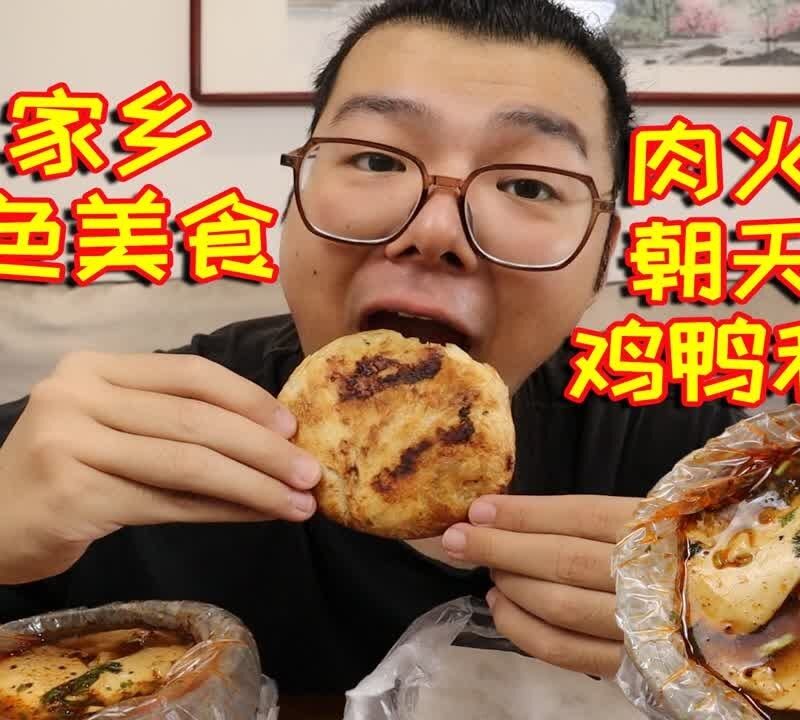
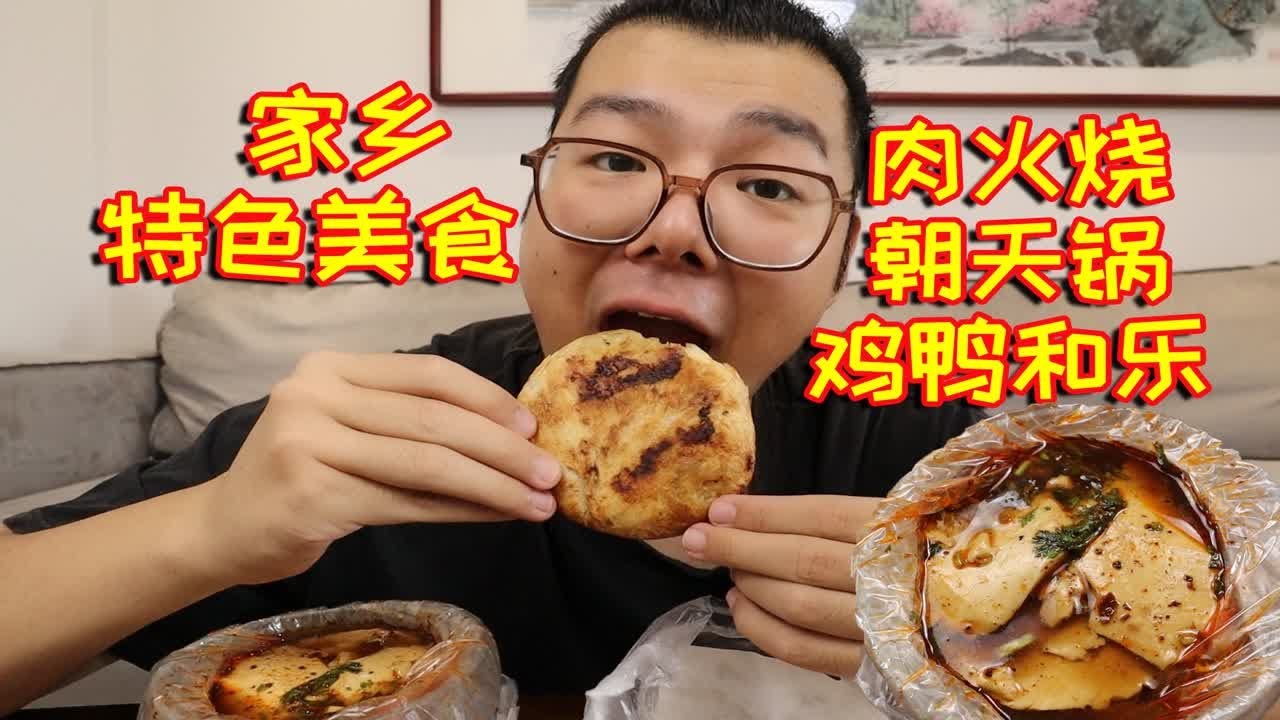
When exploring the robust flavors of Shandong Cuisine (Lu Cai), few dishes capture the local spirit quite like **Weifang Chaotianguo (Heaven-Facing Pot)**. This iconic street food, originating from the bustling markets of Weifang city, isn’t just a meal—it’s a profound cultural experience. Characterized by its unique cooking method where various meats (usually pork offal and lean meat) are cooked in a deep, traditional pot, and served with thin, savory pancakes (kourou), Weifang Chaotianguo offers a profoundly comforting taste. Our comprehensive guide delves into the authenticity of this rustic dish, tracing its centuries-old history. Learn why the rich, clear broth, combined with tender meats and the essential dipping sauce, has earned a spot as one of China’s intangible cultural heritage items. Whether you’re planning a trip to Shandong or aiming to recreate authentic Chinese flavors at home, mastering the preparation of **Weifang Chaotianguo (Heaven-Facing Pot)** is a rewarding culinary journey that promises both warmth and satisfying depth, truly representing the essence of northern Chinese comfort food.
Origin & History
The origins of Weifang Chaotianguo date back over two centuries, traditionally tied to the reigns of Emperor Qianlong during the Qing Dynasty. As the story goes, the dish was initially conceived by street vendors in Weifang catering to farmers and laborers who needed a quick, high-energy, and affordable meal during busy market days. The name “Chaotianguo,” meaning “Heaven-Facing Pot,” is descriptive of the cooking apparatus itself. Unlike standard cooking, the ingredients were boiled in a large, open iron pot with no lid, literally facing the sky (heaven) and allowing continuous replenishment.
This simple, communal cooking style allowed vendors to serve many customers quickly, primarily utilizing pork bones, offal, and bone marrow to create a rich, restorative broth, a precursor to modern slow cooking. By the 19th century, its popularity skyrocketed. It eventually moved beyond simple street stalls and became a staple in local eateries, cementing its status as the quintessential representative of Weifang’s culinary identity and earning recognition as a provincial intangible cultural heritage item.
Nutritional Benefits
Weifang Chaotianguo, centered around a rich, bone-broth base and various cuts of meat (often lean pork and select offal), is highly nutritious. The long simmering process extracts vital collagen and essential amino acids from the bones, promoting joint health and aiding digestion. It is an excellent source of high-quality protein, B vitamins, and iron, providing sustained energy necessary for physical activity. Furthermore, traditional Chinese dietary philosophy views this warm, slow-cooked soup as highly beneficial for warming the “middle burner,” particularly during colder months, enhancing vitality and overall well-being.
🥢 Ingredients
- 500g Pork bones (shank or neck)
- 300g Lean pork meat (loin or shoulder)
- 200g Pork offal (Intestines, tripe, or heart, meticulously cleaned)
- 1 large piece of Ginger, sliced
- 3 Spring onions, roughly chopped
- 1 Star anise
- 1 Bay leaf
- Salt, White pepper, and Shaoxing cooking wine to taste
- For Serving: Thin, unleavened pancakes (Kourou), Cilantro, and Chili oil (optional)
🔥 Instructions
- **Prepare the Meats:** Soak all pork parts and offal in cold water for 1 hour. Separately parboil the bones and offal for 5 minutes, discarding the cloudy water to ensure a clear broth.
- **Start the Broth:** Place the bones, lean meat, offal, ginger, spring onions, star anise, and bay leaf into a very large pot. Fill with enough water to fully submerge the ingredients (about 4-5 liters).
- **Simmer:** Bring the pot to a rapid boil, then immediately reduce the heat to the lowest setting. Skim the surface rigorously for the first hour. Cover partially and simmer for at least 3-4 hours, or until the meat is exceedingly tender.
- **Seasoning:** Remove the star anise and bay leaf. Season the broth generously with salt and a touch of white pepper. Adjust seasonings until the broth is deeply savory yet clear.
- **Serve:** When ready to serve, thinly slice the simmered lean meat and offal. Place a serving of sliced meats into a small bowl, ladle the boiling hot broth over the meat, and garnish with fresh cilantro.
- **Enjoy:** Serve immediately alongside warm, thin Kourou pancakes. Traditionally, the pancake is used to wrap a small portion of meat and dipped into the accompanying chili sauce or vinegar.
👨🍳 Pro Tips
- **The Broth is the Soul:** For the clearest, richest flavor profile typical of authentic Lu Cai, parboil the bones and offal separately before adding them to the main broth pot. Skim the impurities aggressively for the first hour of simmering to ensure a truly crystal-clear “heaven-facing” broth.
- **Perfect Kourou Pairing:** The accompanying thin pancake (kourou) must be served fresh and slightly elastic, not crispy. Warm the kourou slightly over the simmering pot’s steam right before serving to achieve the ideal pliable texture for dipping and wrapping.
- **Mastering the Offal Prep:** Thoroughly clean and aggressively rinse all pork offal (especially intestines and tripe) with multiple changes of water. Blanching with ginger and Shaoxing cooking wine before simmering is non-negotiable—this removes any gamey odors essential for the refined Shandong palate.
- **Spice Balance:** Unlike heavily spiced regional cuisines, Chaotianguo emphasizes savory depth over heat. Use star anise and bay leaves only for the initial simmering and remove them early. The dominant flavor must be the natural essence of the meat and bone, enhanced by salt.
- **Serving Temperature Protocol:** Chaotianguo is traditionally served scalding hot. Use clay bowls or thick porcelain that retain heat well. The meats and broth should be continuously kept at a low simmer near the service area to maintain authenticity.