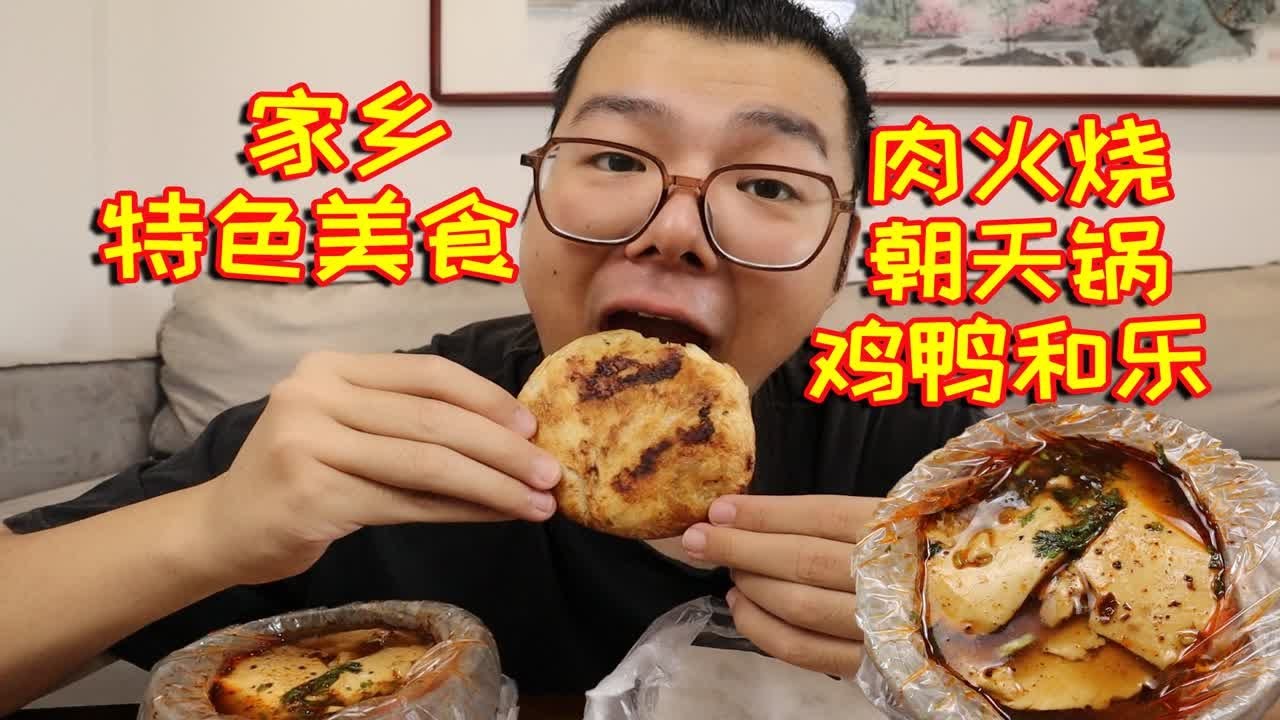
Discover the heart and soul of Shandong cuisine with the legendary Weifang Chaotian Pot, a culinary masterpiece that captures the essence of local tradition. This iconic dish, famous for its rich flavors and communal dining experience, combines tender braised pork, succulent organs, and a medley of aromatic spices, all served alongside thin, delicate pancakes. Often enjoyed on the streets of Weifang, it offers a unique blend of textures and tastes, from the savory broth to the refreshing crunch of fresh cilantro. Perfect for food adventurers seeking an authentic taste of northern China, the Weifang Chaotian Pot is more than just a meal; it’s a cultural immersion. Learn how this beloved dish has captivated generations, becoming a must-try for anyone exploring the vibrant culinary landscape of Lu Cuisine. Get ready to embark on a delicious journey that will leave your taste buds craving for more.
Origin & History
The origins of Weifang Chaotian Pot trace back to the mid-Qing Dynasty, emerging from the bustling streets and markets of Weifang, Shandong. Legend has it that local vendors, eager to serve quick, hearty meals to laborers and travelers, devised a simple yet ingenious method. They cooked various cuts of pork—including belly, intestines, and other offal—in a large, communal pot, often placed ‘facing the sky’ (朝天, chaotian), hence the name. Customers would gather around, taking warm broth and meat directly from the simmering pot, then wrapping it in freshly made thin pancakes.
This accessible and flavorful dish quickly gained popularity, becoming a staple for its affordability and fulfilling nature. Over the centuries, while its core concept remained, the preparation evolved, incorporating more refined spices and techniques. Today, Weifang Chaotian Pot stands as a proud symbol of Weifang’s culinary heritage, cherished for its historical roots and the warmth it brings to those who gather to enjoy it, continuing its legacy as a beloved street food and local specialty.
Nutritional Benefits
Weifang Chaotian Pot, while comforting and flavorful, offers a surprisingly balanced profile. The primary ingredient, pork, provides a significant source of high-quality protein essential for muscle repair and growth. Accompanying it, the thin pancakes (薄饼) offer complex carbohydrates for sustained energy. Incorporating organs like intestines adds vital vitamins such as B12 and iron. Fresh cilantro and green onions contribute vitamins A and C, along with dietary fiber. While traditionally higher in fat, modern preparations can be adjusted. Enjoyed in moderation, it’s a hearty meal that provides energy, protein, and essential nutrients, making it a fulfilling option.
🥢 Ingredients
- Pork belly, thinly sliced (about 500g)
- Pork intestines, thoroughly cleaned and braised (about 300g)
- Pork bones (for broth, about 1kg)
- Thin pancakes (bo bing), freshly made or store-bought
- Fresh cilantro, a generous bunch, chopped
- Green onions, 3-4 stalks, chopped
- Garlic, 4-5 cloves, minced
- Ginger, 1 large knob, sliced
- Light soy sauce, 3-4 tbsp
- Dark soy sauce, 1 tbsp (for color)
- Shaoxing wine, 2 tbsp
- Star anise, 2-3 pods
- Bay leaves, 2-3
- Cinnamon stick, 1 small
- White pepper, to taste
- Sesame oil, a drizzle
- Salt and sugar, to taste
- Chili oil (optional, for serving)
🔥 Instructions
- Prepare the Broth: Rinse pork bones thoroughly. Place in a large pot with sliced ginger, a few green onion stalks, star anise, bay leaves, and cinnamon stick. Cover with plenty of water and bring to a boil. Skim off any foam, then reduce heat and simmer gently for at least 2-3 hours to create a rich, flavorful stock. Strain the broth and season with salt and white pepper to taste. Keep warm.
- Braise the Pork Components: In a separate pot, braise the cleaned pork belly and pork intestines. Cover with water, add sliced ginger, remaining green onions, light and dark soy sauce, Shaoxing wine, and a pinch of sugar. Simmer until both are very tender. Once cooled slightly, slice the pork belly and intestines thinly.
- Prepare Pancakes and Condiments: Warm the thin pancakes. Ensure they are soft and pliable. Prepare the chopped cilantro, chopped green onions, and minced garlic in separate bowls for serving.
- Assemble and Serve: Ladle the hot, clear pork broth into individual serving bowls. Add a generous portion of thinly sliced braised pork belly and intestines to each bowl.
- Garnish and Enjoy: Garnish generously with fresh chopped cilantro, green onions, and minced garlic. Serve immediately with the warm pancakes on the side. Diners traditionally use the pancakes to wrap a mix of the flavorful meat, broth-soaked ingredients, and fresh condiments. Offer chili oil or extra soy sauce as optional dipping sauces for a personalized experience.
👨🍳 Pro Tips
- Broth is Key: The soul of Weifang Chaotian Pot is its rich, savory broth. Use good quality pork bones (marrow bones work best) and simmer for an extended period (4+ hours) to extract maximum flavor. A clear yet robust broth is ideal, so remember to skim off impurities.
- Pork Preparation Precision: Ensure pork belly is braised until melt-in-your-mouth tender, and pork intestines are meticulously cleaned and cooked until soft but still retain a slight chew. Pre-braising these components separately and slicing them thinly is crucial for texture and presentation.
- Fresh, Warm Pancakes: While store-bought are convenient, freshly made, thin, and pliable pancakes (薄饼) elevate the experience significantly. They should be served warm to complement the hot, savory filling and prevent them from becoming stiff.
- Balance of Condiments: Encourage guests to customize their wraps. A generous sprinkle of fresh cilantro, green onions, and minced garlic is essential, providing freshness and an aromatic contrast to the rich meat and broth. Don’t be shy with these vibrant additions!
- Embrace the Communal Experience: Chaotian Pot is traditionally a communal dish. Serve components separately (broth with meat, pancakes, and condiments) allowing diners to assemble their own ‘pot’ directly from the communal serving style. This fosters interaction and enhances the authentic dining enjoyment.
