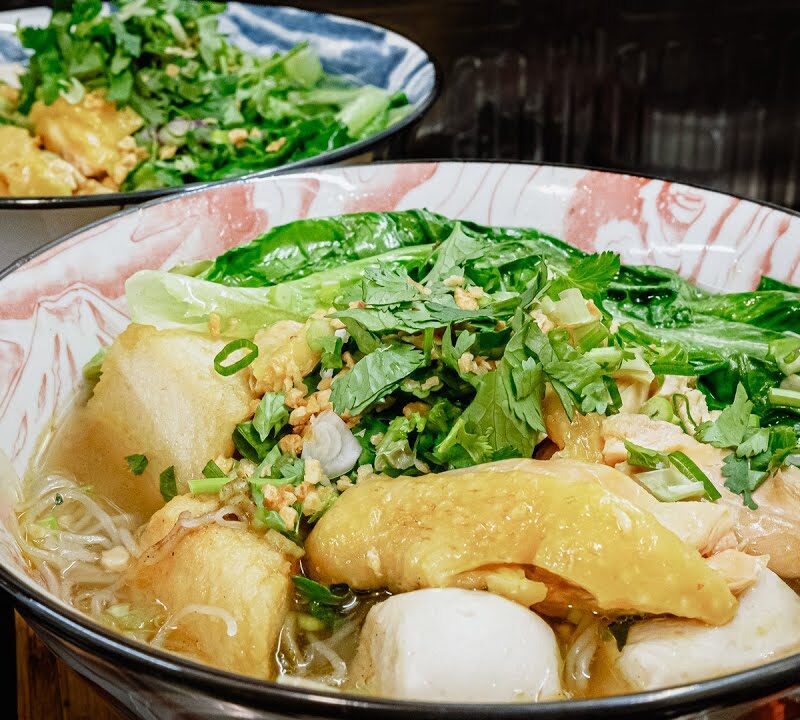
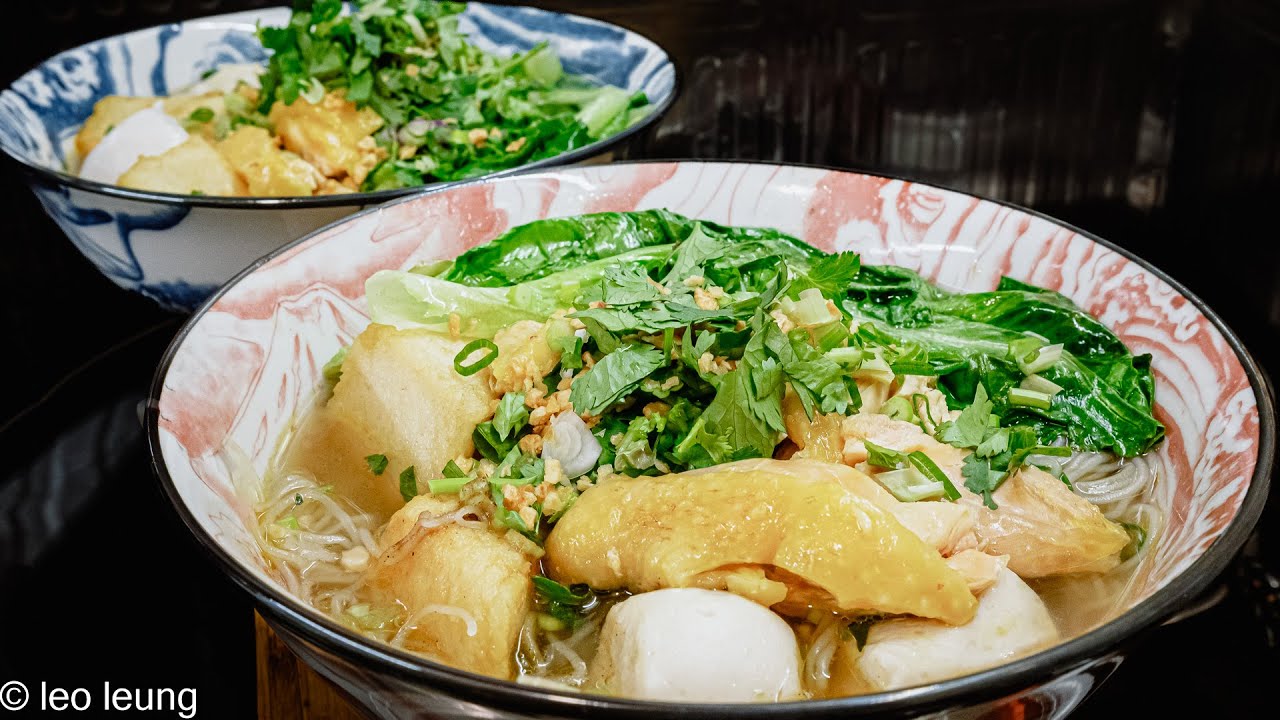
Dive into the heart of Hubei’s culinary traditions with ‘Thick Fish Soup Rice Noodles,’ known locally as Hútāng Mǐfěn. This iconic Wuhan breakfast staple is a testament to the region’s rich flavors and comforting textures. Unlike any other noodle dish, Hútāng Mǐfěn features a uniquely thick, milky, and intensely savory soup, traditionally crafted from crucian carp. The delicate rice noodles perfectly absorb the profound umami of the broth, creating a soul-warming experience that’s both hearty and incredibly satisfying. Whether you’re a seasoned foodie or new to authentic Chinese cuisine, this dish offers a delightful exploration of Hubei’s gastronomic identity. Learn how to recreate this beloved bowl of comfort and bring the vibrant spirit of Wuhan’s streets right into your kitchen. Discover why ‘Thick Fish Soup Rice Noodles’ has captivated palates for generations!
Origin & History
The story of Hútāng Mǐfěn, or Thick Fish Soup Rice Noodles, is deeply interwoven with the vibrant culinary landscape of Wuhan, Hubei Province. Emerging from the bustling street food culture along the Yangtze River, this unique noodle dish is believed to have humble origins, dating back to the late Qing Dynasty or early Republic of China era. Local fishermen and hawkers, seeking to create a nourishing and affordable breakfast, utilized the abundant small fish, particularly crucian carp, from the river. Instead of clear broths, they developed a technique to emulsify the fish soup, creating its signature thick, milky consistency, often enhanced with a touch of rice flour or leftover cooked rice to achieve the desired texture.
Over generations, Hútāng Mǐfěn solidified its place as a quintessential Wuhan breakfast. Its distinctive flavor profile – savory, umami-rich, with a comforting warmth – resonated with the city’s residents. It became more than just food; it was a daily ritual, a symbol of Wuhan’s resilience and culinary ingenuity. Today, countless breakfast stalls across Wuhan proudly serve this iconic dish, a testament to its enduring legacy and beloved status among locals and visitors alike, embodying the very soul of Hubei cuisine.
Nutritional Benefits
Thick Fish Soup Rice Noodles offers more than just exceptional flavor; it provides a nourishing start to the day. The primary ingredient, fish (typically crucian carp), is an excellent source of lean protein, essential for muscle repair and growth, and often rich in Omega-3 fatty acids, beneficial for heart health and brain function. The rice noodles provide easily digestible carbohydrates, offering sustained energy. When prepared with fresh ginger and scallions, it adds vitamins and antioxidants. This warm, comforting dish can also aid digestion and provide a sense of well-being, making it a balanced and wholesome meal option.
🥢 Ingredients
- 2 small crucian carp (approx. 300-400g each), scaled and gutted
- 300g thin rice vermicelli (米粉)
- 2 tablespoons cooking oil
- 6-8 slices fresh ginger
- 2-3 spring onions, chopped (white and green parts separated)
- 1.5-2 liters hot water
- 1-2 tablespoons rice flour (or small amount of leftover cooked rice) mixed with a little water
- Salt to taste
- White pepper to taste
- Optional garnishes: Pickled radish (榨菜), chopped cilantro, chili oil
🔥 Instructions
- **Prepare the Fish:** Pat the cleaned fish dry. Heat cooking oil in a large pot or wok over medium-high heat. Pan-fry the fish until both sides are golden brown and slightly crispy. Add the white parts of the chopped spring onions and ginger slices to the pot and sauté briefly until fragrant.
- **Make the Milky Broth:** Carefully pour 1.5-2 liters of hot water into the pot, ensuring it covers the fish. Bring to a rolling boil, then reduce heat to medium-low, cover, and simmer for at least 30-40 minutes. The broth should turn milky white and fragrant. The longer it simmers, the richer the flavor.
- **Strain the Broth:** Carefully remove the fish from the pot. Strain the milky broth through a fine-mesh sieve into a clean pot, pressing down on the fish bones and remaining solids to extract all the liquid and flavor. Discard the bones and solids.
- **Thicken the Soup:** Bring the strained fish broth to a gentle simmer. Gradually stir in the rice flour slurry (or a small amount of leftover cooked rice blended into a paste) until the soup reaches your desired thick, slightly pasty consistency. Continue to stir to prevent lumps. Season with salt and a generous amount of white pepper to taste.
- **Cook the Noodles:** While the soup is simmering, cook the thin rice vermicelli according to package instructions (usually by soaking in hot water or briefly boiling) until al dente. Drain well.
- **Assemble and Serve:** Divide the cooked rice noodles into serving bowls. Ladle a generous amount of the hot, thick fish soup over the noodles. Garnish with the green parts of the chopped spring onions. For an authentic experience, add pickled radish and a drizzle of chili oil if desired. Serve immediately.
👨🍳 Pro Tips
- **Achieve the Milky Broth:** Frying the fish until golden before adding *hot* water is crucial for creating that signature milky, rich broth. Boiling intensely at the start also helps emulsify the fats and proteins.
- **The Thickening Agent:** While rice flour is common, some traditional recipes use a small portion of day-old cooked rice, mashed and added to the broth, which gives a wonderful, slightly grainy texture and deepens the umami.
- **Noodle Perfection:** Use thin rice vermicelli (细米粉) for an authentic texture. Overcooking will make them soggy, so cook them just until tender with a slight bite.
- **Seasoning is Key:** Don’t underestimate white pepper. It’s a hallmark flavor of Hútāng Mǐfěn and adds a warming spice that complements the fish beautifully. Taste and adjust salt and pepper at the end.
- **Don’t Skimp on Garnishes:** While the soup is the star, traditional garnishes like pickled radish (榨菜) provide a necessary textural contrast and a tangy counterpoint that cuts through the richness of the thick soup.