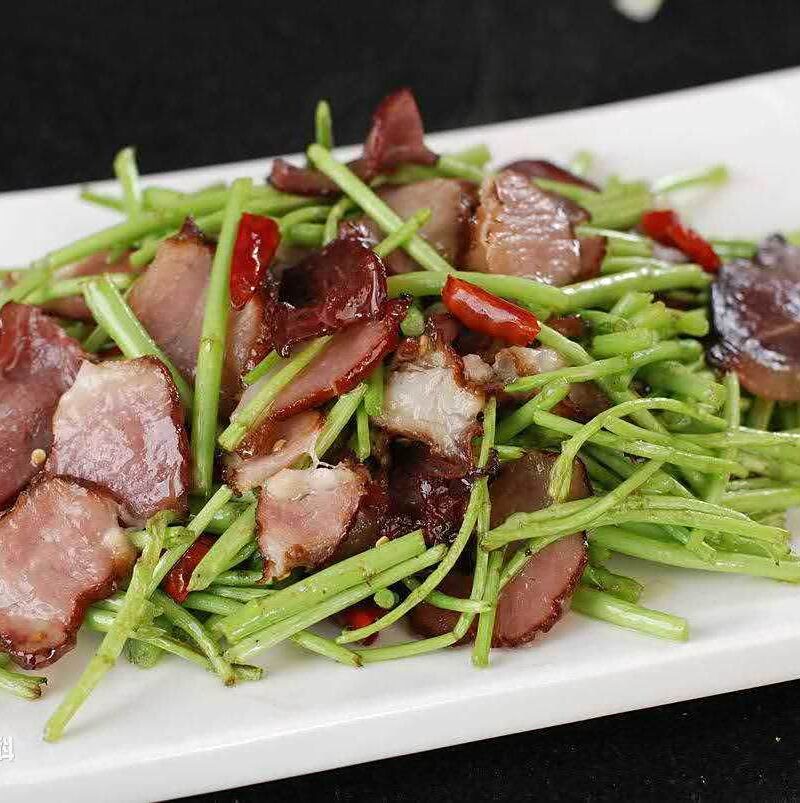
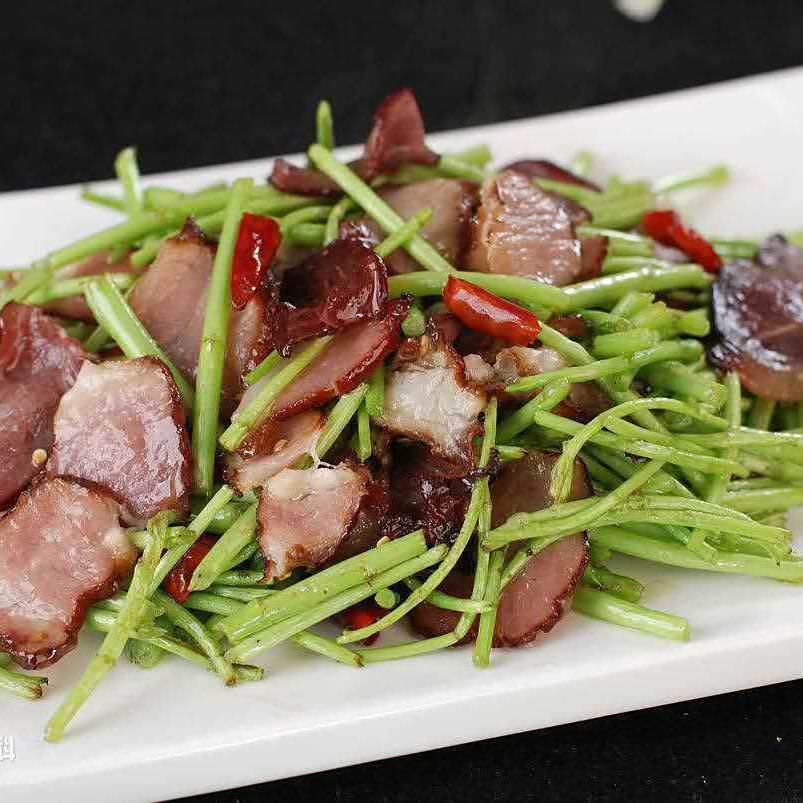
Dive into the authentic flavors of Jiangxi cuisine with ‘Stir-fried Lihao with Cured Pork’ (藜蒿炒腊肉), a true culinary emblem from the region. This iconic dish beautifully marries the unique, slightly bitter, and aromatic notes of fresh lihao (wild artemisia) with the savory, smoky depth of perfectly aged cured pork. A cornerstone of Gan cuisine, this dish offers a tantalizing balance of textures and tastes, making it a must-try for anyone exploring regional Chinese gastronomy. Our comprehensive guide will unveil the secrets behind achieving its signature wok hei and vibrant appeal, from selecting the finest ingredients to mastering the stir-frying technique. Discover why ‘Stir-fried Lihao with Cured Pork’ has captivated palates for generations and how you can recreate this exquisite Jiangxi specialty in your own kitchen. Perfect for a hearty weeknight meal or a special occasion, it promises an unforgettable culinary experience that’s both comforting and uniquely flavorful.
Origin & History
The origins of ‘Stir-fried Lihao with Cured Pork’ are deeply rooted in the culinary traditions of Jiangxi province, particularly around Poyang Lake. Lihao, or wild artemisia, is an abundant aquatic plant in this region, thriving along riverbanks and wetlands. For centuries, local communities have harnessed its distinct aroma and slightly bitter profile, recognizing its potential not just as a seasonal vegetable but as a key ingredient in their daily diet. The practice of curing pork, a necessity for preservation in ancient times, is also a long-standing tradition in Jiangxi, providing a rich, savory counterpoint to the fresh, often milder local produce.
The combination of lihao and cured pork likely emerged naturally from the availability of these two staple ingredients. Farmers and fishermen, utilizing what was at hand, discovered the exquisite synergy when these ingredients were stir-fried together – the smoky, umami-rich pork perfectly complementing the fresh, herbaceous lihao, creating a dish that was both flavorful and satisfying. Over time, ‘Stir-fried Lihao with Cured Pork’ transcended its humble beginnings to become a celebrated specialty, embodying the rustic yet refined flavors of Gan cuisine. It’s a dish that tells a story of resourcefulness, tradition, and the harmonious blend of nature’s bounty with culinary wisdom.
Nutritional Benefits
Beyond its incredible taste, ‘Stir-fried Lihao with Cured Pork’ offers several nutritional benefits. Lihao is rich in dietary fiber, vitamins (such as Vitamin A and C), and various minerals, contributing to digestive health and providing antioxidant properties. It’s also known in traditional Chinese medicine for its potential to clear heat and detoxify. While cured pork, or ‘larou,’ is higher in sodium and fat, it’s also a good source of protein, providing essential amino acids. When consumed in moderation as part of a balanced diet, this dish offers a flavorful way to incorporate unique vegetables and protein, making it a wholesome addition to your meal rotation.
🥢 Ingredients
- 200g fresh Lihao (wild artemisia), tender stems only
- 150g Jiangxi cured pork (腊肉), thinly sliced
- 2-3 cloves garlic, sliced
- 1-2 fresh red chilies, sliced (optional, for heat)
- 1 tbsp cooking oil (vegetable or peanut oil)
- 1 tsp light soy sauce (optional, for extra umami)
- Pinch of sugar (to balance flavors)
- Salt to taste (use sparingly as cured pork is salty)
- A dash of Shaoxing wine (optional, for fragrance)
🔥 Instructions
- Prepare the Lihao: Wash the lihao thoroughly. Snap off the tougher bottom ends and any leaves, using only the tender stems. Cut the stems into 1.5-inch segments. Blanch the lihao in boiling water for about 30 seconds to remove some bitterness and soften slightly, then drain immediately and set aside.
- Prepare the Cured Pork: If the cured pork is very salty, you might want to blanch it briefly or steam it for 5-10 minutes to render some fat and reduce saltiness. Drain and pat dry. Thinly slice the cured pork.
- Heat the Wok: Heat a wok or large skillet over medium-high heat. Add a small amount of cooking oil. If your cured pork is very fatty, you might not need much oil as it will render its own fat.
- Sauté Aromatics and Pork: Add the sliced cured pork to the hot wok and stir-fry until it’s fragrant and the fat starts to render, about 2-3 minutes. Push the pork to one side, add the sliced garlic and red chilies (if using), and stir-fry until fragrant.
- Combine and Stir-fry: Add the blanched lihao to the wok. Toss everything together vigorously. Add the Shaoxing wine (if using), light soy sauce, and a pinch of sugar. Stir-fry rapidly for 1-2 minutes until the lihao is tender-crisp and well combined with the pork.
- Adjust Seasoning: Taste and add salt if needed, remembering that cured pork is already quite salty. Serve immediately with steamed white rice.
👨🍳 Pro Tips
- Select Tender Lihao: Always choose young, tender lihao stems. Older stems can be fibrous and overly bitter. Blanching briefly helps to mellow the bitterness and ensures an appealing texture.
- Render Pork Fat Properly: Don’t rush rendering the cured pork. This step extracts its deep smoky flavor and aromatic fat, which is crucial for seasoning the entire dish. A slight crispness on the pork slices is ideal.
- High Heat, Quick Stir-fry: This dish thrives on “wok hei” (锅气) – high heat and quick cooking. Ensure your wok is piping hot before adding ingredients to achieve that smoky, fresh crunch, especially for the lihao.
- Balance Saltiness: Cured pork is inherently salty. Taste your pork before adding any extra salt to the dish. Often, the salt from the pork is sufficient, with just a dash of soy sauce and sugar to balance.
- Don’t Overcook Lihao: Lihao should retain a slight crispness. Overcooking will make it mushy and diminish its unique flavor and vibrant green color. Stir-fry only until it’s heated through and tender-crisp.
