Dive into the comforting world of authentic Hunan cuisine with a bowl of 榨菜肉丝面, widely known as Pickled Mustard Stem and Shredded Pork Noodles. This beloved dish offers a delightful symphony of flavors, combining the savory depth of tender shredded pork, the distinctive tangy crunch of preserved mustard stems (zha cai), and springy noodles, all swimming in a soul-warming broth. Perfect for a quick lunch, a hearty dinner, or a comforting meal on a chilly day, Pickled Mustard Stem and Shredded Pork Noodles embodies the essence of Chinese home cooking. Whether you’re a long-time fan of Hunan flavors or new to the vibrant culinary landscape of China, preparing this dish at home allows you to experience its rich cultural heritage. Our comprehensive guide will walk you through each step, ensuring you achieve that perfect balance of umami, spice, and freshness that makes Pickled Mustard Stem and Shredded Pork Noodles an irresistible classic. Get ready to impress your taste buds and loved ones with this incredibly satisfying and flavorful noodle dish.
Origin & History
The story of Pickled Mustard Stem and Shredded Pork Noodles (榨菜肉丝面) is deeply rooted in the pragmatic and flavorful traditions of Chinese home cooking, particularly within the fiery kitchens of Hunan Province. While the precise origin date of this specific noodle dish is hard to pinpoint, its core components—pickled mustard stem (榨菜, zha cai) and shredded pork—have been staples in Chinese culinary practices for centuries. Zha cai, a type of pickled mustard plant stem, originated in Fuling, Chongqing, during the Tang Dynasty. Its distinctive salty, spicy, and umami profile made it an excellent and affordable way to preserve vegetables, adding zest and texture to countless dishes, especially in regions where fresh produce might be scarce during certain seasons. Shredded pork, a versatile protein, has always been a go-to for its tenderness and ability to absorb flavors. The marriage of these two ingredients with wheat noodles likely evolved organically as a convenient, nourishing, and incredibly satisfying meal, especially popular in busy households and street-side eateries across central and southern China. In Hunan cuisine, where bold and intense flavors are prized, the addition of a touch of chili and garlic further elevates the Pickled Mustard Stem and Shredded Pork Noodles, transforming it into a comforting yet invigorating dish beloved by many.
Nutritional Benefits
Pickled Mustard Stem and Shredded Pork Noodles offers a balanced and hearty meal. The lean shredded pork provides an excellent source of high-quality protein, essential for muscle repair and growth, while the wheat noodles deliver complex carbohydrates for sustained energy. Zha cai, though pickled, contributes dietary fiber and some vitamins, and its fermentation process can introduce beneficial probiotics. When prepared with fresh ingredients and a mindful approach to oil and salt, this dish can be a wholesome option. It provides a comforting blend of macronutrients to fuel your day, making it a delicious and satisfying choice for anyone seeking a flavorful and energizing meal.
🥢 Ingredients
- 200g fresh or dried egg noodles (or ramen noodles)
- 150g pork loin or tenderloin, shredded
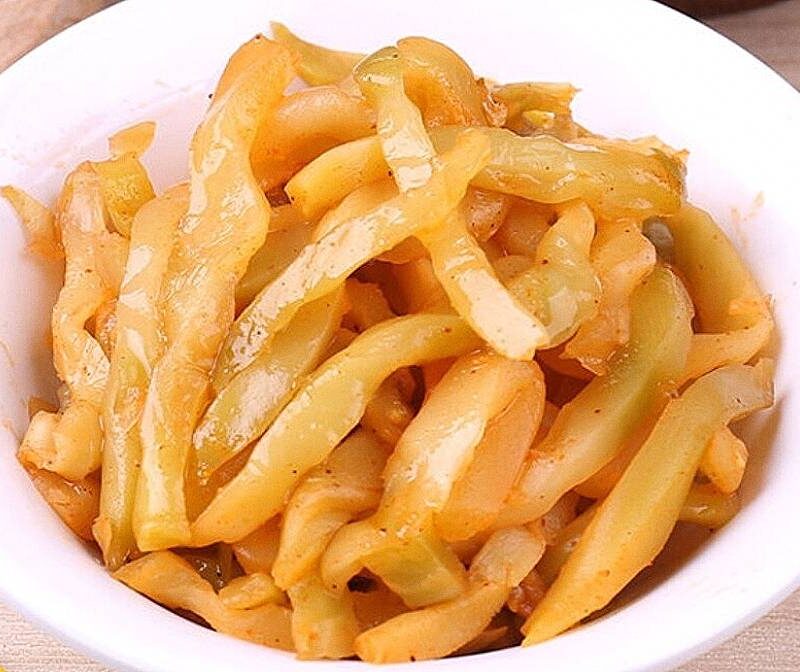
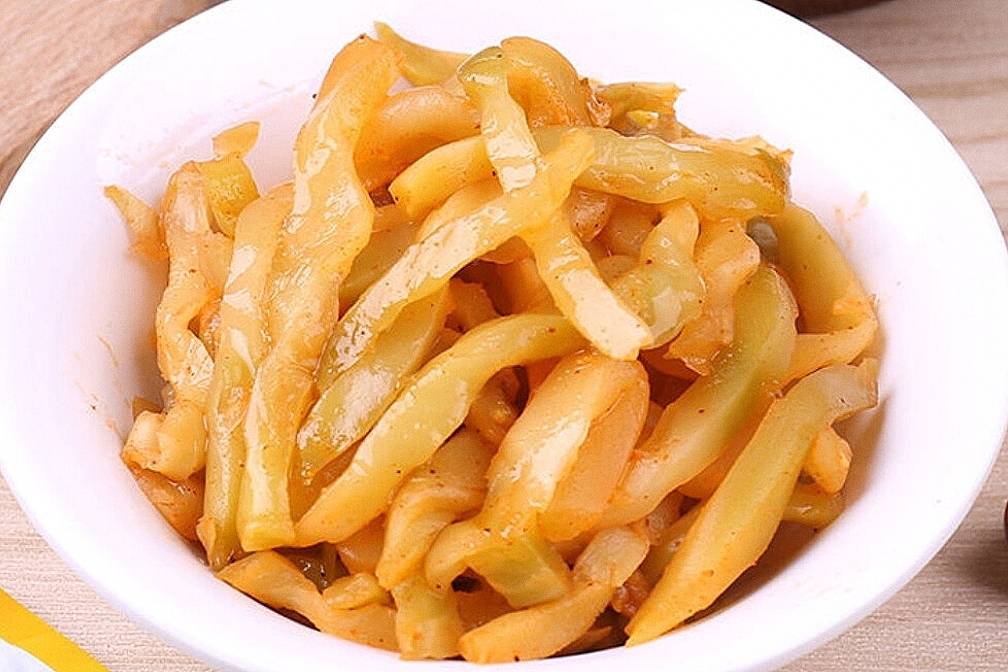
- 100g preserved mustard stem (榨菜, zha cai), rinsed and shredded
- 2 cloves garlic, minced
- 1 inch ginger, minced
- 2 spring onions, chopped (white and green separated)
- 1 tbsp Shaoxing wine
- 1 tbsp light soy sauce
- 1 tsp dark soy sauce (for color, optional)
- 1/2 tsp cornstarch
- Pinch of white pepper
- 2 tbsp cooking oil
- 500ml chicken broth or water
- 1 tsp sesame oil
- Chili oil (to taste, optional)
- Fresh vegetables like bok choy or yu choy (optional)
🔥 Instructions
- Marinate the Pork: In a bowl, combine the shredded pork with Shaoxing wine, 1/2 tbsp light soy sauce, cornstarch, and white pepper. Mix well and let marinate for 10-15 minutes.
- Prepare Zha Cai: Rinse the shredded preserved mustard stem thoroughly under cold water to reduce its saltiness. Squeeze out excess water and set aside.
- Cook the Noodles: Bring a pot of water to a boil. Cook the noodles according to package instructions until al dente. Drain, rinse with cold water to prevent sticking, and set aside.
- Stir-fry Pork: Heat 1 tbsp cooking oil in a wok or large pan over medium-high heat. Add the marinated pork and stir-fry until it’s just cooked through and lightly browned. Remove the pork from the wok and set aside.
- Sauté Aromatics and Zha Cai: Add the remaining 1 tbsp cooking oil to the wok. Sauté the white parts of the spring onion, minced garlic, and minced ginger until fragrant (about 30 seconds). Add the rinsed zha cai and stir-fry for 1-2 minutes.
- Combine and Simmer: Return the cooked pork to the wok. Pour in the chicken broth (or water). Add the remaining 1/2 tbsp light soy sauce and dark soy sauce (if using). Bring the broth to a gentle simmer and let it cook for 2-3 minutes to allow the flavors to meld. Taste and adjust seasoning if needed (the zha cai provides significant salt).
- Assemble the Dish: Divide the cooked noodles into serving bowls. Ladle the hot pork and zha cai broth over the noodles. Garnish with the green parts of the spring onion and drizzle with sesame oil and chili oil (if using). Serve immediately.
👨🍳 Pro Tips
- Perfect Pork Tenderness: Marinating the shredded pork with cornstarch and Shaoxing wine is crucial for achieving a silky, tender texture that melts in your mouth. Don’t skip this step!
- Balance the Saltiness: Zha cai (preserved mustard stem) can be very salty. Always rinse it thoroughly under running water and squeeze out the excess moisture multiple times to achieve a balanced flavor in your dish without it being overly saline.
- Noodle Nuance: Cook your noodles al dente, especially if you’re using fresh noodles. They will continue to cook slightly when the hot broth is added. Rinsing them quickly with cold water after draining helps prevent them from becoming sticky and overcooked.
- Broth is Key: A good quality chicken broth will elevate the flavor of your soup immensely. If using water, consider adding a chicken bouillon cube or a small amount of concentrated chicken stock for added depth.
- Spice It Up (or Not): While not inherently spicy in all variations, a dash of chili oil or a few fresh chili slices can add a delightful kick, typical of Hunan cuisine. Adjust to your personal preference!