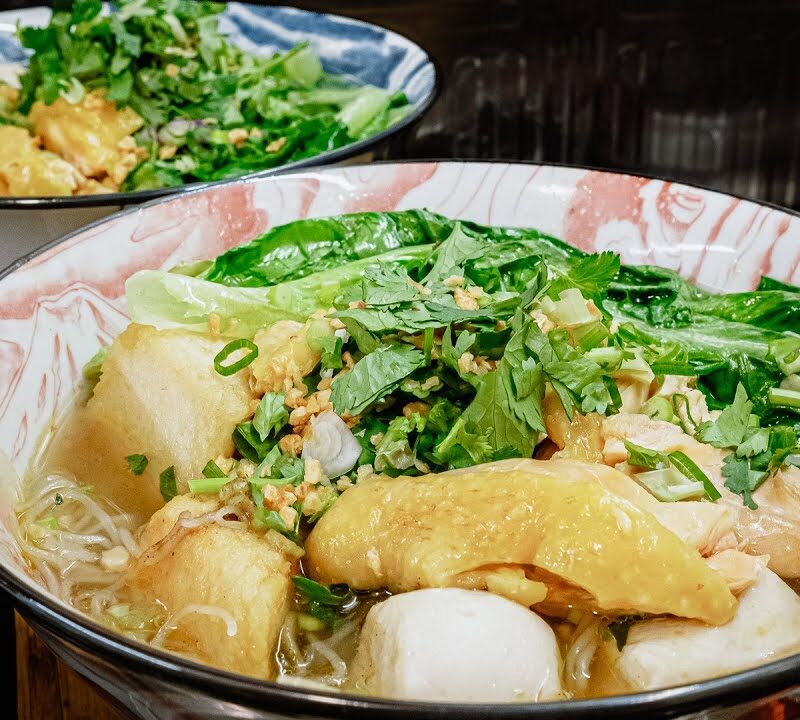
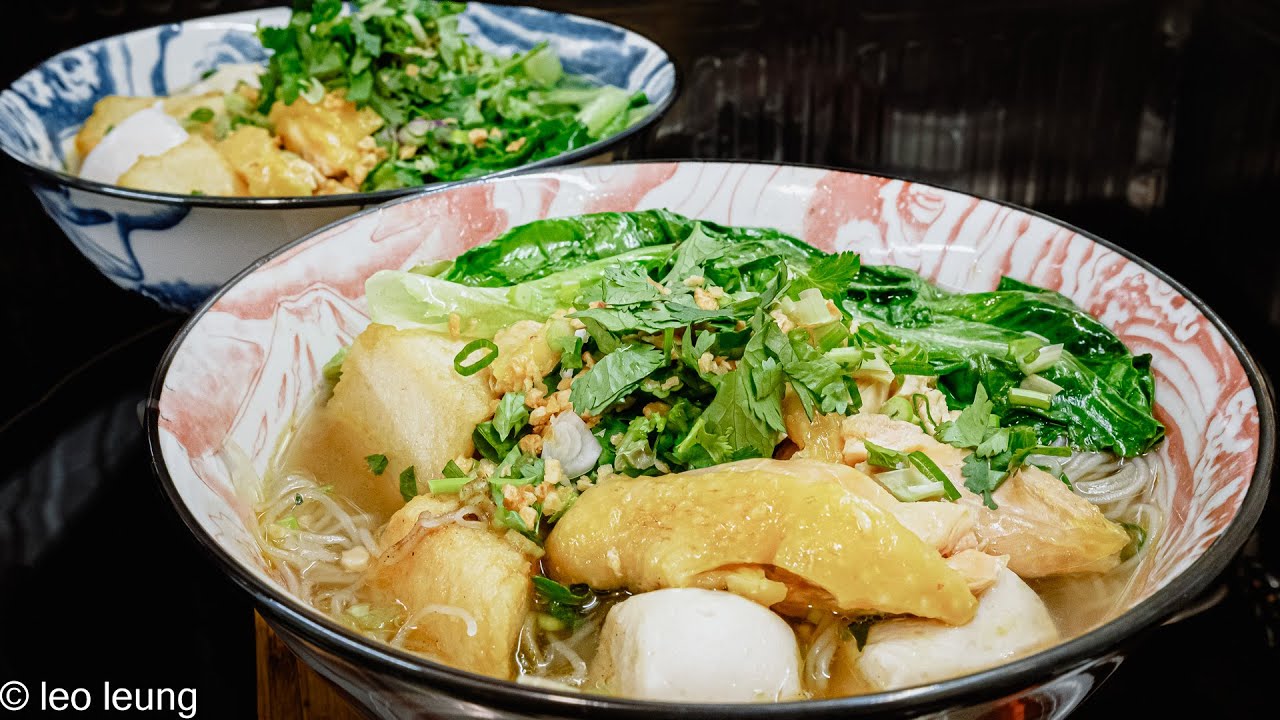
Welcome, food explorers, to a culinary journey through the heart of Wuhan, where a breakfast staple reigns supreme: the enigmatic and utterly delicious Thick Soup Rice Noodles (糊汤米粉). This iconic dish, celebrated for its unique velvety texture and profoundly savory fish-based broth, offers an unparalleled taste of Hubei’s vibrant food culture. Imagine tender, fine rice noodles swimming in a rich, opaque soup—not thin and clear, but wonderfully substantial, almost creamy, infused with the delicate sweetness of fresh fish. Often garnished with a sprinkle of chopped scallions, preserved radish, and a dash of chili oil, Thick Soup Rice Noodles is more than just a meal; it’s a hug in a bowl, a morning ritual for countless locals. Dive into our guide to discover the secrets behind this beloved dish, from its humble origins to the art of recreating its authentic flavors right in your kitchen. Prepare to be captivated by the soul-warming essence of Wuhan!
Origin & History
The story of Thick Soup Rice Noodles (糊汤米粉) is deeply woven into the fabric of Wuhan’s culinary heritage, particularly as a quintessential breakfast item. While its exact origins are shrouded in the mists of time, it’s widely believed to have emerged from the resourceful kitchens of local fishermen along the Yangtze River. Faced with an abundance of small freshwater fish, they sought innovative ways to utilize their catch, leading to the creation of a rich, thick fish broth. The addition of finely ground rice or flour to thicken the broth, transforming it into a ‘hú tāng’ (misty or thick soup), was a brilliant stroke, providing both sustenance and a unique texture. Paired with the region’s ubiquitous rice noodles, it quickly became a popular, affordable, and energy-packed meal for early risers, laborers, and market-goers. Over generations, street vendors and small eateries perfected their recipes, each adding their own subtle nuances, cementing Thick Soup Rice Noodles’ status as an irreplaceable symbol of Wuhan’s vibrant breakfast scene and a testament to the city’s ingenious culinary traditions.
Nutritional Benefits
Thick Soup Rice Noodles (糊汤米粉) offers more than just comfort; it provides a nourishing start to your day. The primary ingredient, fresh fish, is an excellent source of lean protein and essential omega-3 fatty acids, beneficial for heart health and cognitive function. The rice noodles provide easily digestible carbohydrates, offering a quick and sustained energy boost without feeling heavy. While the soup’s richness comes from a thickening agent, it often uses rice flour, keeping it relatively light compared to cream-based alternatives. Garnishes like scallions add vitamins and antioxidants, while preserved radish can contribute probiotics. Overall, it’s a well-balanced breakfast that satisfies hunger, provides vital nutrients, and prepares you for the day ahead.
🥢 Ingredients
- Fresh freshwater fish (e.g., crucian carp, silver carp), approx. 500g (cleaned and scaled)
- Fine rice noodles (mi fen), approx. 200-300g (dried)
- Ginger, 4-5 slices
- Green onions, 2 stalks (white parts for soup, green parts for garnish)
- Shaoxing wine, 1 tablespoon
- Salt, to taste
- White pepper powder, 1/2 teaspoon
- Cornstarch or rice flour, 2 tablespoons (mixed with 4 tablespoons water to form a slurry)
- Vegetable oil, 2 tablespoons
- For garnish: finely chopped green onions, chopped preserved radish (zha cai), chili oil, extra white pepper powder
🔥 Instructions
- Prepare the Fish: Pat the cleaned fish dry with paper towels. Heat vegetable oil in a large pot or Dutch oven over medium-high heat. Carefully place the fish in the hot oil and pan-fry each side until golden brown and slightly crispy (about 3-4 minutes per side). This step is crucial for developing flavor and aroma.
- Build the Broth: Add ginger slices and the white parts of the green onions to the pot, frying briefly until fragrant. Deglaze with Shaoxing wine, scraping any browned bits from the bottom. Immediately add enough hot water to generously cover the fish (approx. 1.5-2 liters). Bring to a rolling boil, then reduce heat to medium-low, cover, and simmer for at least 30-45 minutes, or until the broth turns milky white and opaque, and the fish is falling apart.
- Strain and Refine: Carefully remove the fish from the broth. Flake the fish meat off the bones, discarding bones, skin, and any remaining ginger/green onion parts. Strain the broth through a fine-mesh sieve into a clean pot to ensure a smooth, impurity-free soup base.
- Cook the Noodles: While the broth simmers, cook the fine rice noodles according to package instructions until tender but still possessing a slight chew (al dente). Drain thoroughly and rinse with cold water to prevent sticking; set aside.
- Thicken the Soup: Return the strained fish broth to medium heat. Bring to a gentle simmer. Season generously with salt and white pepper powder to taste. Slowly whisk in the cornstarch/rice flour slurry, a little at a time, stirring constantly, until the soup achieves a velvety, slightly thickened consistency—it should coat the back of a spoon without being overly heavy. Add the flaked fish meat back into the soup.
- Assemble and Serve: Divide the cooked rice noodles into individual serving bowls. Ladle the steaming hot, thick fish soup over the noodles. Garnish generously with the reserved chopped green onions, a spoonful of chopped preserved radish (zha cai), a drizzle of chili oil for a spicy kick (optional), and an extra sprinkle of white pepper. Serve immediately and savor this iconic Wuhan delicacy!
👨🍳 Pro Tips
- Fish Selection is Key: For the most authentic flavor and a rich, milky broth, use fresh, medium-sized freshwater fish. Crucian carp (鲫鱼) or silver carp (鲢鱼) are excellent traditional choices. Ensure the fish is thoroughly cleaned and scaled before cooking.
- Fry for Deeper Flavor: Do not skip the initial pan-frying of the fish. This crucial step caramelizes the fish, seals in its essence, and is fundamental to developing the deep umami, fragrant aroma, and signature milky color of the broth.
- Hot Water for a Milky Broth: Always add *hot* water (preferably boiling) to the pan-fried fish. Adding cold water can shock the fish and hinder the emulsification of fats and proteins, resulting in a less opaque and flavorful broth. Hot water promotes that beautiful, creamy white consistency.
- Master the Thickening: When incorporating the cornstarch or rice flour slurry, add it slowly and incrementally while stirring constantly. The goal is a velvety, slightly viscous soup that coats the noodles, not a thick, gloopy sauce. You want a subtle richness, not a heavy texture.
- Garnishes are Essential: The traditional garnishes—finely chopped green onions, crispy preserved radish (zha cai), and a dash of chili oil—are not just for show. They provide vital contrasting textures, freshness, savory depth, and a spicy kick that perfectly complements the rich, subtle flavors of the Thick Soup Rice Noodles.