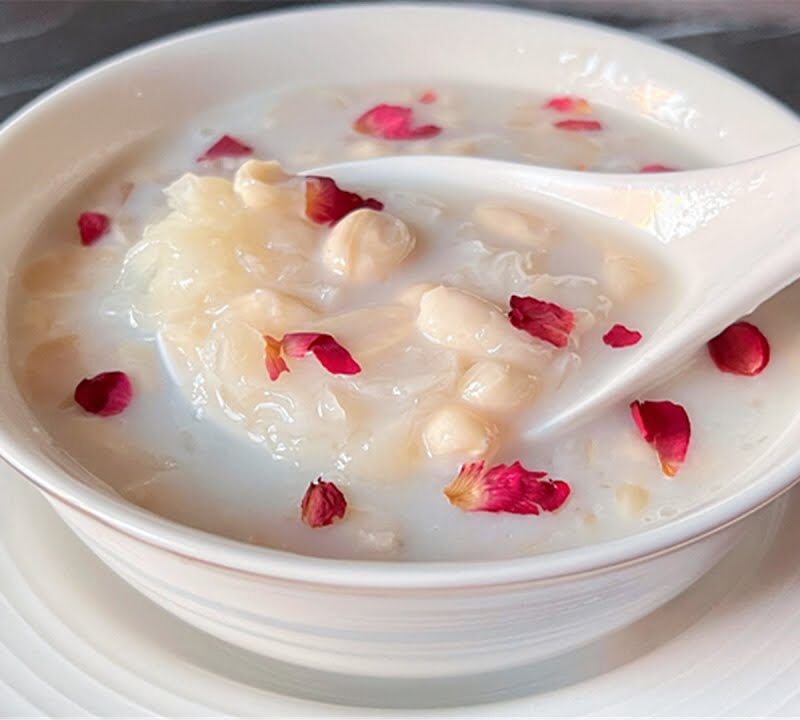
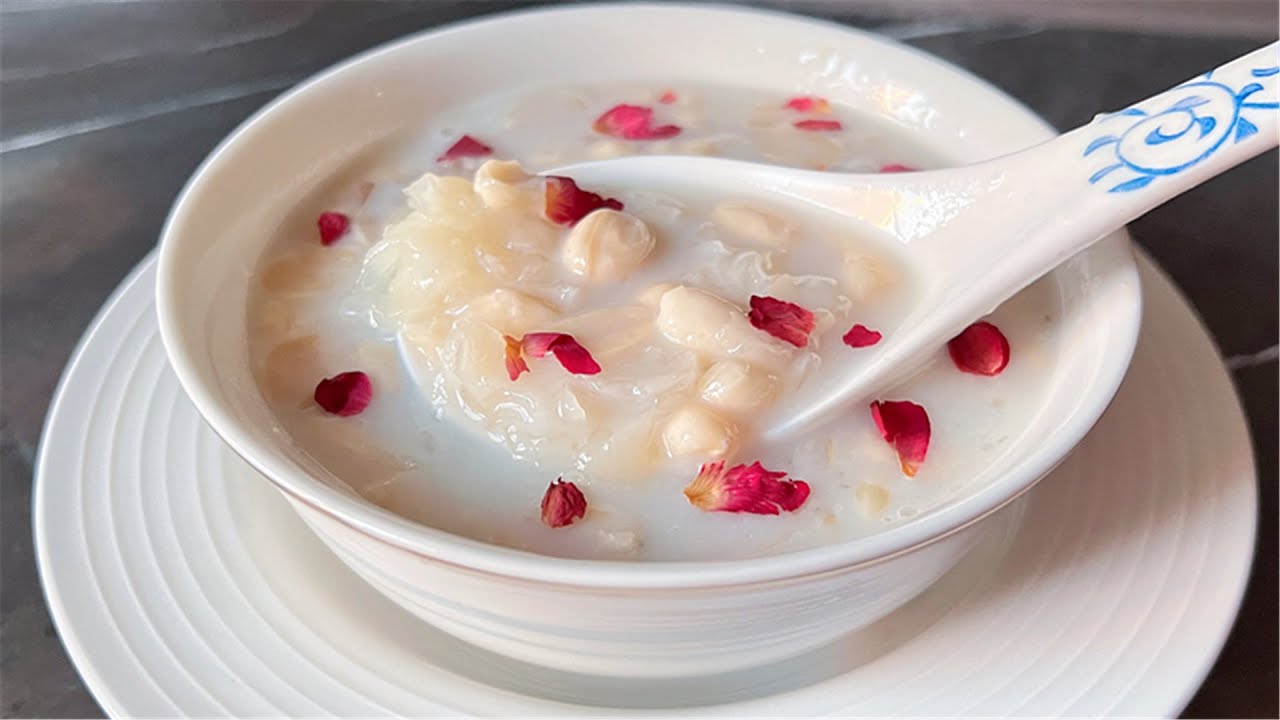
Dive into the heartwarming world of Teochew Sweet Soup, a beloved staple of Chaoshan cuisine that offers a delightful blend of textures and natural sweetness. This traditional Chinese dessert, known as ‘甜汤’ (Tián Tāng), is more than just a sweet treat; it’s a bowl of comforting nostalgia, deeply embedded in Teochew culture. From its humble origins to its current status as a culinary icon, Teochew Sweet Soup embodies simplicity and flavor. Whether enjoyed warm on a chilly evening or chilled as a refreshing pick-me-up, this versatile dessert often features a medley of ingredients like taro, sweet potato, ginkgo nuts, and sago pearls, all simmered in a delicate rock sugar broth. Perfect for family gatherings, celebrations, or a simple moment of self-indulgence, learning to prepare authentic Teochew Sweet Soup will bring the true essence of Chaoshan straight to your kitchen. Discover the secrets to making this timeless dessert that promises to soothe your soul and tantalize your taste buds.
Origin & History
The history of sweet soups, or tián tāng, in Chinese culture is as rich and varied as the ingredients themselves, with the Teochew variant holding a special place. For centuries, sweet soups have served not only as desserts but also as nourishing tonics and celebratory dishes across China. In the Chaoshan region, an area renowned for its distinctive culinary traditions, sweet soups evolved to reflect the local agricultural bounty and the thrifty, resourceful nature of its people.
Teochew Sweet Soup became a staple in daily life, often served at the end of meals, during festivals, or offered to guests as a gesture of hospitality. Ingredients like taro, sweet potatoes, ginkgo nuts, and various beans were readily available and celebrated for their natural sweetness and comforting textures. These humble ingredients, when combined with delicate rock sugar and skillful simmering, transformed into a dish of profound simplicity and satisfaction. Over generations, recipes for Teochew Sweet Soup were passed down, each family adding its unique touch, yet always preserving the essence of a warm, wholesome, and subtly sweet concoction that truly embodies the spirit of Chaoshan cuisine.
Nutritional Benefits
Teochew Sweet Soup, when prepared with natural ingredients and moderate sugar, offers several health benefits. Root vegetables like taro and sweet potatoes are excellent sources of dietary fiber, promoting digestive health and sustained energy release. They also provide essential vitamins and minerals, including Vitamin A, Vitamin C, and potassium. Ginkgo nuts contribute antioxidants, while sago pearls offer a source of carbohydrates for quick energy. Opting for rock sugar over refined white sugar can also offer a slightly less processed sweetener. This dessert provides hydration and warmth, making it a comforting and relatively wholesome treat that can be enjoyed in moderation as part of a balanced diet.
🥢 Ingredients
- 200g Taro, peeled and diced (about 1.5-2 cm cubes)
- 200g Sweet Potato, peeled and diced (about 1.5-2 cm cubes)
- 50g Dried Sago Pearls
- 50g Fresh or Canned Ginkgo Nuts (if canned, rinse well)
- 100-150g Rock Sugar, adjust to taste
- 1.5 Liters Water
- Optional: 50ml Coconut Milk (for creaminess)
🔥 Instructions
- Prepare Sago: Bring a pot of water to a rolling boil. Add sago pearls and cook for 10-12 minutes, stirring occasionally, until most pearls are translucent with a tiny white dot in the center. Turn off the heat, cover, and let sit for 5 minutes until fully translucent. Drain, rinse under cold water to remove excess starch, and set aside.
- Prepare Root Vegetables: Peel and dice the taro and sweet potato into similar-sized cubes. Rinse the ginkgo nuts if using canned. If using fresh ginkgo nuts, blanch them in boiling water for 2-3 minutes, then peel off the outer skin and remove the bitter germ if present.
- Cook Root Vegetables: In a large pot, bring 1.5 liters of water to a boil. Add the diced taro and sweet potato. Reduce heat to medium-low and simmer for 15-20 minutes, or until the vegetables are tender but not mushy.
- Add Ginkgo Nuts and Sugar: Once the taro and sweet potato are tender, add the ginkgo nuts and rock sugar to the pot. Stir gently until the rock sugar has fully dissolved. Taste and adjust sweetness if necessary.
- Combine and Serve: Finally, add the prepared sago pearls to the soup. If using, stir in the coconut milk for extra richness. Heat through for another 1-2 minutes until everything is warm. Serve Teochew Sweet Soup warm or chill in the refrigerator for a refreshing cold dessert.
👨🍳 Pro Tips
- Quality of Root Vegetables: Always choose firm, unblemished taro and sweet potatoes. Fresh, good-quality root vegetables are crucial for the best flavor and texture, ensuring they cook evenly and impart natural sweetness.
- Perfect Sago Texture: To avoid clumpy or overly soft sago, ensure you cook it in plenty of boiling water. The cold rinse after cooking stops the cooking process and removes excess starch, keeping individual pearls separate and perfectly chewy.
- Balancing Sweetness: Teochew Sweet Soup is traditionally subtly sweet. Start with a smaller amount of rock sugar and gradually add more to taste. Remember, the natural sweetness of the taro and sweet potato also contributes significantly.
- Preventing Mushiness: Cook the taro and sweet potato just until tender. Overcooking can cause them to disintegrate, making the soup cloudy. Aim for pieces that hold their shape but are soft enough to bite through easily.
- Customization and Variations: Feel free to experiment with other ingredients like dried longans, red beans, white fungus, or lotus seeds. Each addition offers a different flavor profile and texture, allowing you to personalize your Teochew Sweet Soup.