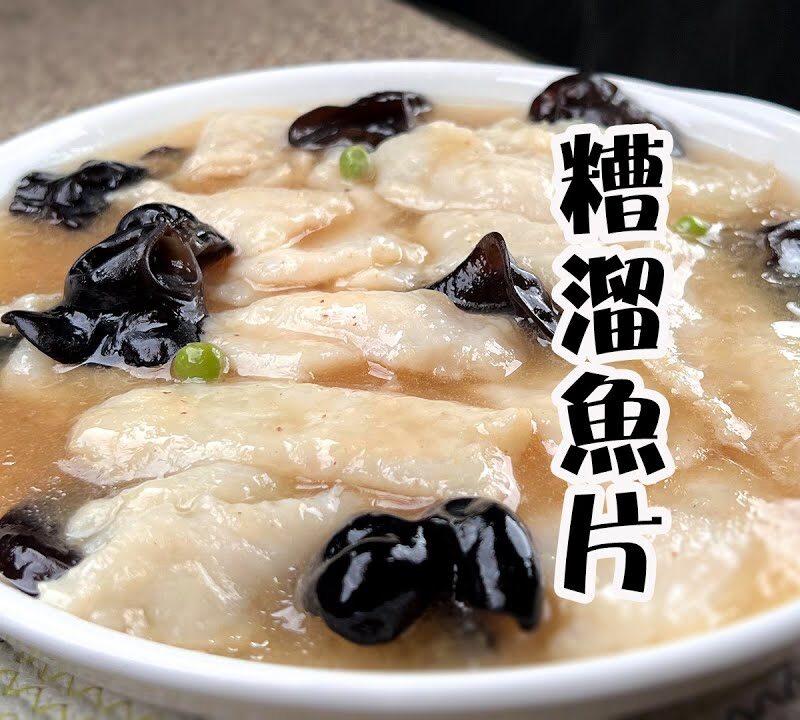
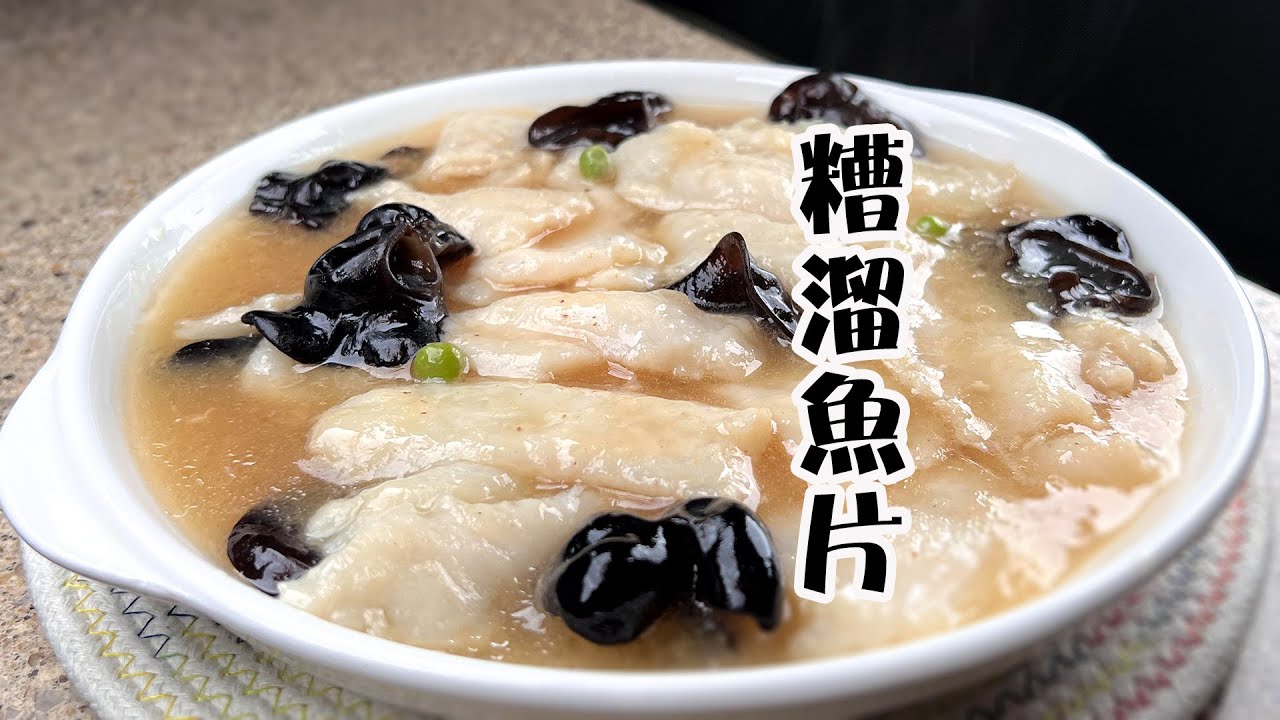
Embark on a culinary journey to Shandong with the exquisite ‘Sautéed Fish Fillets in Fermented Rice Wine Sauce’ (糟溜鱼片), a true masterpiece of 鲁菜. This classic dish tantalizes the senses with its unique aroma and delicate flavor, primarily derived from the ingenious use of fermented rice wine lees. Imagine tender, silky fish fillets, often cod or basa, gently coated in a glistening, aromatic sauce that offers a subtle sweetness and profound umami, without being overpowering. Perfect for a sophisticated dinner or a comforting family meal, ‘Sautéed Fish Fillets in Fermented Rice Wine Sauce’ is more than just food; it’s an experience. Discover why this light yet deeply flavorful dish has captivated palates for generations, representing the refined elegance synonymous with Shandong cuisine. We’ll guide you through its history, health benefits, and professional tips to recreate this authentic taste sensation in your own kitchen.
Origin & History
The culinary heritage of Shandong, known as 鲁菜 (Lǔcài), is one of China’s Four Great Traditional Cuisines, boasting a history spanning thousands of years. Originating in the ancient state of Qi and Lu, Shandong cuisine is celebrated for its emphasis on freshness, aromatic ingredients, and sophisticated cooking techniques, particularly its clear broths and skillful use of seafood. The technique of ‘糟溜’ (zāoliū), which literally translates to ‘lees sauté,’ is a hallmark of this refined culinary tradition. This method involves using the aromatic byproducts of rice wine fermentation – the lees – to create a distinctive, fragrant sauce.
While the exact genesis of ‘Sautéed Fish Fillets in Fermented Rice Wine Sauce’ (糟溜鱼片) is difficult to pinpoint to a single date, it emerged from a long lineage of dishes that harnessed the unique flavors of fermented grains. Ancient Chinese cooks discovered the preservative and flavor-enhancing qualities of rice wine lees early on, incorporating them into various preparations. Over centuries, Shandong chefs perfected this technique, applying it to delicate ingredients like fish to create dishes that are light in appearance yet profound in taste. ‘糟溜鱼片’ embodies the very essence of 鲁菜: elegant, flavorful, and a testament to the region’s rich gastronomic legacy.
Nutritional Benefits
Beyond its delightful taste, ‘Sautéed Fish Fillets in Fermented Rice Wine Sauce’ offers noteworthy health benefits. Fish fillets, typically white fish like cod or basa, are an excellent source of lean protein, essential for muscle repair and growth. They are also low in saturated fat and calories, making this dish a heart-healthy choice. White fish provides important vitamins and minerals, including B vitamins, phosphorus, and selenium. The cooking method, generally light sautéing, preserves these nutrients and avoids excessive oil, contributing to a lighter meal. While fermented rice wine lees add flavor, the alcohol content is minimal, and the fermentation process itself can introduce beneficial compounds. Enjoying ‘Sautéed Fish Fillets in Fermented Rice Wine Sauce’ is a delicious way to incorporate nutrient-rich seafood into your diet.
🥢 Ingredients
- Fresh white fish fillets (e.g., cod, basa, sole), about 500g
- Fermented rice wine lees (糟卤 or 糟泥), 3-4 tbsp
- Egg white, 1
- Cornstarch, 2 tbsp + 1 tbsp for sauce
- Ginger, 3 slices
- Scallions, 2 stalks (white parts for cooking, green parts for garnish)
- Vegetable oil, for cooking
- Salt, to taste
- White pepper, a pinch
- Sugar, 1/2 tsp
- Chicken stock or water, 1/2 cup
- Sesame oil, a few drops
🔥 Instructions
- Slice fish fillets into thin, bite-sized pieces. Pat dry with paper towels. Marinate with a pinch of salt, white pepper, half an egg white, and 2 tablespoons of cornstarch. Mix well and set aside for 15 minutes.
- Prepare the sauce: In a small bowl, combine fermented rice wine lees, 1 tablespoon of cornstarch, 1/2 teaspoon of sugar, and 1/2 cup of chicken stock (or water). Stir until smooth.
- Heat a wok or large non-stick pan over medium-high heat. Add a generous amount of vegetable oil (enough to shallow fry). When the oil is hot but not smoking, carefully add the marinated fish fillets in batches. Quickly stir-fry until they turn opaque and are just cooked through (about 1-2 minutes per batch). Do not overcook. Remove the fish and drain excess oil.
- Pour out most of the oil from the wok, leaving about 1 tablespoon. Add sliced ginger and the white parts of scallions. Sauté until fragrant.
- Pour in the prepared sauce mixture, stirring constantly until it thickens.
- Return the cooked fish fillets to the wok. Gently toss to coat the fish evenly with the sauce. Be careful not to break the delicate fish.
- Drizzle with a few drops of sesame oil and garnish with chopped green scallions before serving. Serve immediately with steamed rice.
👨🍳 Pro Tips
- **Quality of Fish is Key:** Always use very fresh, firm white fish fillets. Cod, basa, or sole are excellent choices due to their delicate texture and mild flavor, which allows the fermented rice wine sauce to shine. Patting the fish extremely dry before marinating prevents sogginess.
- **Master the Marinade:** The marinade with egg white and cornstarch is crucial for tenderizing the fish and creating a protective coating that keeps it moist during cooking. Ensure each piece is evenly coated without excess batter.
- **Quick Cooking is Essential:** Fish fillets cook very rapidly. The goal is to cook them just until opaque and flaky, usually within 1-2 minutes per batch in hot oil. Overcooking will result in dry, tough fish, losing its signature silky texture.
- **Balance the Fermented Lees Flavor:** Fermented rice wine lees (糟卤 or 糟泥) can be quite potent. Start with the recommended amount and adjust to your taste. A good quality lees will impart a complex, aromatic, slightly sweet, and umami flavor without being overly alcoholic or sour.
- **Gentle Handling in the Wok:** Once the fish is cooked and returned to the wok with the sauce, use a gentle tossing motion or a wide, flat spatula to coat the fillets. Avoid vigorous stirring, which can break the delicate fish pieces, compromising their aesthetic appeal and texture.
