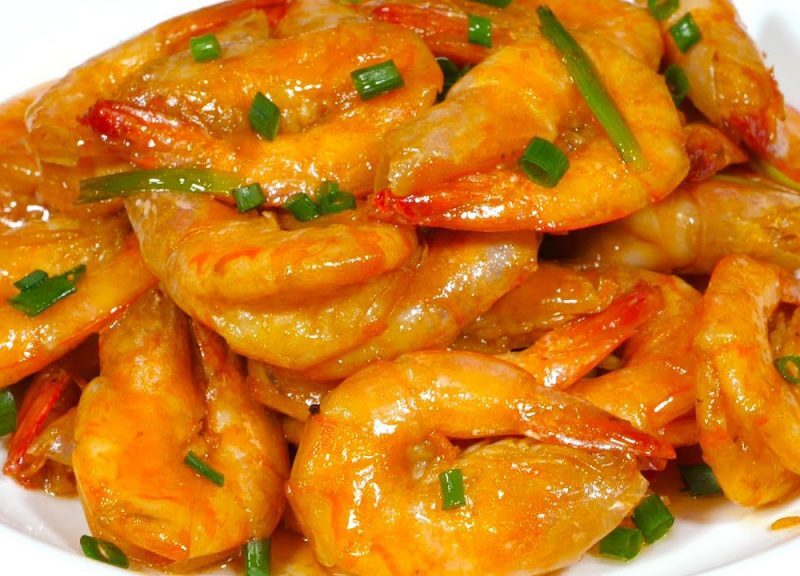
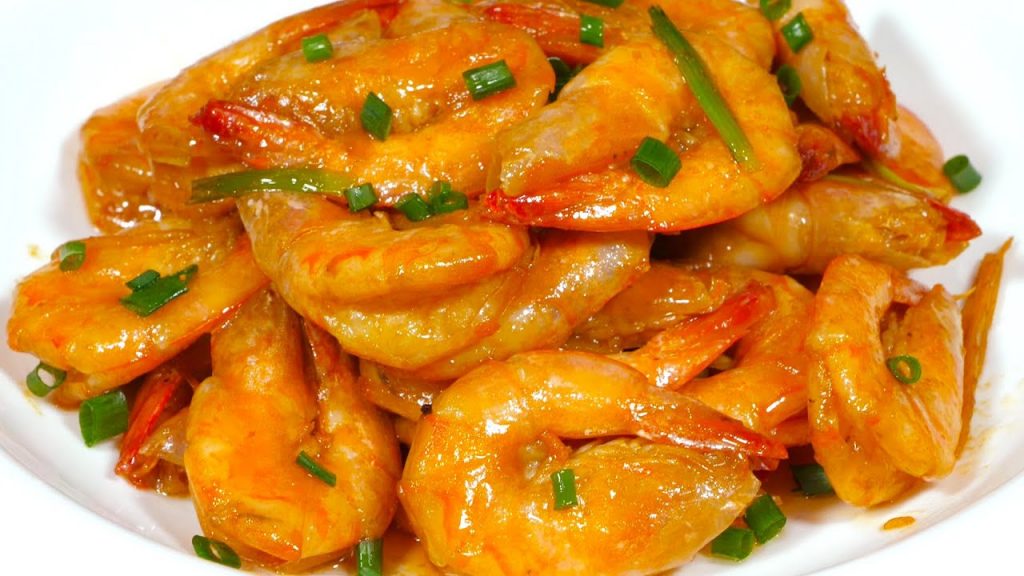
Dive into the exquisite world of Shandong cuisine with ‘油焖大虾’ (You Men Da Xia), famously known as Oil-Braised Prawns. This iconic dish is a testament to the culinary artistry of Lu cuisine, celebrated for its vibrant reddish-orange hue, succulent texture, and an irresistible sweet and savory glaze. Our comprehensive guide will unlock the secrets to preparing perfect Oil-Braised Prawns, from selecting the freshest ingredients to mastering the precise braising technique that gives this dish its signature depth of flavor. Whether you’re a seasoned chef or an adventurous home cook, get ready to impress your family and friends with a dish that embodies elegance and comfort. Discover why Oil-Braised Prawns remain a beloved classic, delivering a burst of umami with every bite.
Origin & History
The esteemed Oil-Braised Prawns (油焖大虾) holds a distinguished place within Shandong, or Lu Cuisine, one of China’s Eight Great Culinary Traditions. Originating from the coastal regions of Shandong Province, where seafood has always been a staple, this dish evolved from the local fishermen’s simple yet effective methods of cooking freshly caught prawns. The ‘braising in oil’ (油焖) technique is a hallmark of Lu cuisine, known for its rich flavors and ability to lock in the freshness of ingredients. While the exact origins are hard to pinpoint to a single chef or date, the dish gained prominence during the Qing Dynasty, particularly in aristocratic and official banquets. It represented the region’s prosperity and culinary refinement, showcasing not only the abundance of premium seafood but also the sophisticated use of sauces that balance sweetness, saltiness, and a hint of tang. Over centuries, ‘Oil-Braised Prawns’ transformed from a rustic preparation into a highly regarded classic, symbolizing the essence of Shandong’s culinary heritage and its enduring appeal to gourmands worldwide.
Nutritional Benefits
Oil-Braised Prawns, when enjoyed in moderation, offer several nutritional benefits, primarily from the star ingredient: prawns. Prawns are an excellent source of lean protein, essential for muscle repair and growth, while being relatively low in calories. They are packed with vital vitamins and minerals, including Vitamin B12, which supports nerve function, and selenium, an important antioxidant. Prawns also contain omega-3 fatty acids, beneficial for heart and brain health. While the dish involves some oil and sugar for flavor, the core ingredient provides a nutrient-dense foundation, making it a delicious way to incorporate valuable proteins and micronutrients into your diet.
🥢 Ingredients
- 500g large fresh prawns (head and shell on preferred, or peeled and deveined)
- 3 tbsp cooking oil
- 1 tbsp Shaoxing wine
- 2 tbsp light soy sauce
- 1 tbsp dark soy sauce
- 2 tbsp sugar (rock sugar recommended for authentic flavor)
- 1 tsp rice vinegar (optional, for balance)
- 1 inch ginger, sliced
- 3 cloves garlic, smashed
- 2 stalks spring onion, cut into 2-inch sections
- 1/2 cup hot water or clear chicken stock
- Salt to taste (optional)
🔥 Instructions
- Prepare the Prawns: Rinse prawns thoroughly. Trim off antennae and legs. With a sharp pair of kitchen shears, cut along the back of each prawn, just deep enough to expose and remove the black vein. You can leave the shells on for more flavor and a beautiful presentation. Pat them dry with paper towels to prevent oil splatter.
- Sear the Prawns: Heat 2 tablespoons of cooking oil in a large wok or skillet over high heat until shimmering. Add the dried prawns in a single layer (cook in batches if necessary to avoid crowding). Sear for 1-2 minutes on each side until they turn bright orange-red and slightly crisp. Remove prawns and set aside.
- Sauté Aromatics: In the same wok, add the remaining 1 tablespoon of oil if needed. Add the sliced ginger, smashed garlic, and the white parts of the spring onion. Sauté until fragrant, about 30 seconds to 1 minute.
- Deglaze and Add Seasonings: Pour in the Shaoxing wine to deglaze the wok. Add light soy sauce, dark soy sauce, sugar, and rice vinegar (if using). Stir well until the sugar dissolves.
- Braise the Prawns: Return the seared prawns to the wok. Add 1/2 cup of hot water or clear chicken stock. Bring the sauce to a gentle boil, then reduce heat to medium-low. Cover the wok and let the prawns braise for 3-5 minutes, allowing them to absorb the rich flavors.
- Reduce and Thicken Sauce: Uncover the wok. Increase heat to medium-high and let the sauce reduce, stirring gently, until it thickens into a glossy, sticky glaze that coats the prawns. This should take another 2-3 minutes. Taste and adjust seasoning if necessary.
- Garnish and Serve: Stir in the green parts of the spring onion for freshness. Transfer the Oil-Braised Prawns immediately to a serving platter. Serve hot with steamed rice.
👨🍳 Pro Tips
- Freshness is Key: Always use the freshest possible large prawns. Their natural sweetness and firm texture are crucial to the dish’s success. Look for prawns that are firm to the touch, have a translucent sheen, and no strong odor.
- Proper Prawn Preparation: Don’t skip deveining! While leaving shells on adds flavor and visual appeal, make sure to cut along the back to remove the sand vein. Patting them completely dry before searing prevents oil splatter and helps achieve a better sear.
- Control the Heat: When searing, use high heat for a quick sear to lock in juices and develop color, but switch to medium-low heat for braising to ensure the prawns cook through without becoming tough. Don’t overcook prawns, as they can become rubbery quickly.
- Balance the Sauce: The signature flavor of Oil-Braised Prawns comes from a perfect balance of sweet and savory. Adjust the sugar and soy sauce to your preference. A small amount of vinegar (often omitted in some variations) can add a subtle tang that brightens the overall flavor.
- Utilize Prawn Heads: If your prawns come with heads on, you can briefly sauté them at the beginning (before adding the bodies back) to extract more flavorful oils into your cooking base. This intensifies the ‘umami’ depth of the sauce.
