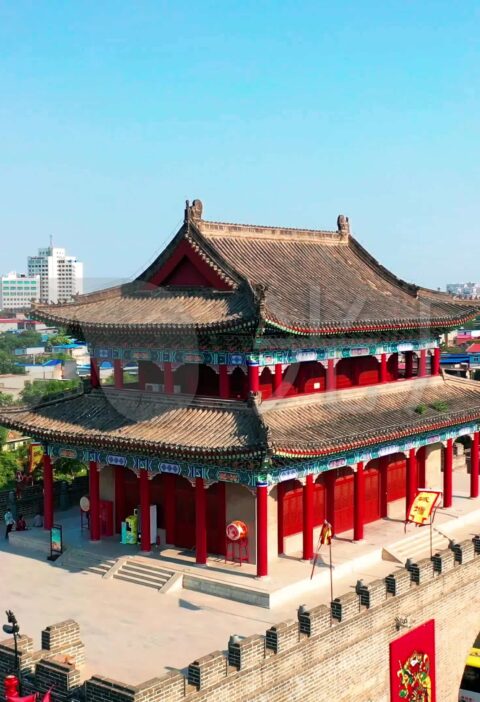

The Luoyang Water Banquet, or Luoyang Water Banquet, is not just a meal; it’s a magnificent culinary journey deeply rooted in the history of Luoyang, Henan Province. This ancient feast, characterized by its reliance on soups, gravies, and a seamless flow of dishes, truly lives up to its “water” moniker. A true highlight of Henan cuisine, it typically comprises 24 distinct courses served sequentially, each beautifully presented and rich in flavor. From refreshing appetizers to hearty main courses and delicate desserts, the Luoyang Water Banquet offers a harmonious blend of textures and tastes, reflecting the imperial grandeur of its origins. Exploring this iconic banquet provides an unparalleled insight into traditional Chinese gastronomy and its enduring cultural legacy. It’s a must-try for any food enthusiast visiting Henan, showcasing the region’s culinary artistry and historical depth in every exquisite spoonful.
Origin & History
The origins of the Luoyang Water Banquet, known as 洛阳水席, stretch back over a thousand years, deeply intertwined with the imperial history of Luoyang, one of China’s ancient capitals. Its most famous association is with Empress Wu Zetian of the Tang Dynasty (618-907 AD). Legend has it that the Empress, fond of Luoyang’s cuisine and its unique style, particularly enjoyed the “false swallow” dish (牡丹燕菜, Peony Swallow Vegetable), which replaced expensive swallow’s nest with a clever combination of shredded radish and other ingredients. This elaborate banquet, comprising 24 distinct dishes—eight cold appetizers, four large hot dishes, eight medium hot dishes, and four final soup/dessert courses—was designed to be served in a continuous flow, with one dish being replaced by another, emphasizing the “water” element through its abundance of soups and gravies. This continuous stream of “liquid” courses, served hot to warm diners in Luoyang’s often chilly climate, became a hallmark of imperial hospitality and a testament to the region’s culinary ingenuity. The Luoyang Water Banquet evolved from simple local customs into a grand imperial tradition, solidifying its status as one of China’s most iconic and historically significant culinary experiences.
Nutritional Benefits
The Luoyang Water Banquet, while indulgent, can offer a surprisingly balanced nutritional profile due to its diverse array of ingredients. The emphasis on soups and broths means many dishes are hydration-rich and easier to digest. It typically incorporates a wide variety of seasonal vegetables, providing essential vitamins, minerals, and dietary fiber. Lean meats like pork and chicken, alongside eggs and mushrooms, contribute valuable protein for muscle repair and satiety. The cooking methods, often involving braising, stewing, and steaming, tend to be less oil-intensive than deep-frying, promoting healthier consumption. Overall, when enjoyed in moderation and with a focus on its vegetable-rich components, the Luoyang Water Banquet can be a nourishing experience, supporting digestive health and offering a broad spectrum of nutrients.
🥢 Ingredients
- Assorted seasonal vegetables: Radish (especially daikon for Peony Swallow Vegetable), cabbage, mushrooms (shiitake, oyster), carrots, bamboo shoots, leafy greens.
- Various meats: Pork (lean cuts for braising, ground pork for meatballs), chicken (for broth and sliced dishes), sometimes beef or fish.
- Eggs: For making egg ‘skin’ or threads, and in some dishes.
- High-quality broth/stock: Pork bone broth, chicken broth, or a combination, forming the base for many dishes.
- Starches: Cornstarch or potato starch for thickening gravies and soups.
- Seasonings: Soy sauce, rice vinegar, Shaoxing wine, ginger, garlic, spring onions, white pepper, salt, sugar, sesame oil, chili oil (optional).
- Frying oil: For crispy elements like fried meatballs or certain garnishes.
🔥 Instructions
- Broth Preparation: Begin by preparing a rich, flavorful broth (pork bone or chicken stock) as it forms the “water” foundation for most dishes. Simmer for several hours to extract maximum flavor.
- Cold Appetizer Course: Prepare the eight cold dishes, focusing on contrasting flavors and textures – often featuring marinated vegetables, sliced meats, and savory salads. Arrange them artfully for presentation.
- Hot Dish Preparation (Sequence 1): Start preparing the first set of hot dishes. This typically includes the iconic Peony Swallow Vegetable (牡丹燕菜), which involves carefully shredding radish and other ingredients, shaping them, and serving in a clear, flavorful broth, often garnished with an egg ‘skin’ and sometimes flower-shaped elements.
- Hot Dish Preparation (Sequence 2 & 3): Continue with the remaining hot dishes, ensuring a continuous flow. This involves braising meats, preparing various soup-based dishes with different ingredients (meatballs, tofu, vegetables), and dishes with thick gravies. Timing is crucial to ensure each dish is served hot and fresh as it’s brought out.
- Final Courses & Desserts: Conclude with the final sequence of soup dishes and a sweet soup or dessert. This traditionally cleanses the palate and signifies the banquet’s end, still maintaining the “water” theme with light, often sweet, liquid courses.
- Presentation and Service: Throughout the banquet, meticulous attention to presentation is paramount. Dishes should be garnished beautifully, and service should be swift and seamless, replacing finished courses with new ones without delay, maintaining the dynamic “water” flow.
👨🍳 Pro Tips
- Master Your Broth: A high-quality, deeply flavored stock is the soul of the Luoyang Water Banquet. Dedicate time to simmering bones and aromatics to achieve a rich, clear base for all your “water” dishes.
- Embrace Seasonal Ingredients: While traditional recipes exist, don’t shy away from incorporating fresh, seasonal vegetables and quality meats. This enhances flavor and reflects the banquet’s adaptive nature.
- Balance Flavors and Textures: With 24 dishes, ensure variety. Alternate between light and rich, savory and subtly sweet, crisp and tender textures to keep the palate engaged throughout the meal.
- Presentation is Key: The visual appeal of each dish is as important as its taste. Use garnishes (e.g., carved vegetables, intricate egg designs) and elegant plating to elevate the imperial experience.
- Timing and Flow: For a true “water banquet” experience, dishes should be served hot and in a continuous, seamless procession. Organize your mise en place and cooking schedule meticulously to ensure smooth transitions between courses.