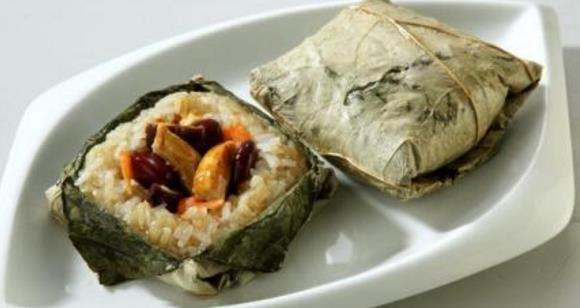
Dive into the heart of Cantonese dim sum with the iconic Lo Mai Gai (Glutinous Rice Chicken in Lotus Leaf). This exquisite dish, a staple in traditional teahouses, offers a harmonious blend of sticky, savory glutinous rice filled with tender marinated chicken, savory Chinese sausage (lap cheong), earthy mushrooms, and often dried scallops. Each individual packet is lovingly wrapped in a dried lotus leaf, which imparts a subtle, aromatic fragrance to the rice as it steams. Perfect for a hearty breakfast, brunch, or a satisfying snack, Lo Mai Gai promises a delightful culinary experience that warms the soul. Discover the secrets to making this classic at home and elevate your dim sum repertoire. Our comprehensive guide ensures you master this beloved dish, making every bite a journey through authentic Chinese flavors.
Origin & History
The origins of Lo Mai Gai (荷叶糯米鸡) are deeply rooted in the bustling dim sum culture of Guangzhou, the capital of Guangdong province. As part of the wider Cantonese culinary tradition, it emerged as a hearty and filling dish served during “yum cha” – the traditional Chinese brunch ritual. Early versions of Lo Mai Gai were simpler, designed to provide sustenance to laborers and travelers. The ingenious use of lotus leaves (荷叶) to wrap the rice and fillings served multiple purposes: it helped to contain the ingredients during steaming, infused a delicate, earthy aroma, and made the dish easily portable. Over time, as dim sum evolved from simple snacks to an elaborate art form, Lo Mai Gai transformed. Ingredients became more refined, incorporating marinated chicken, dried shiitake mushrooms, Chinese sausage, and sometimes even salted egg yolk. It became a beloved staple, representing comfort and tradition in Cantonese cuisine, a testament to its enduring appeal and culinary cleverness.
Nutritional Benefits
Lo Mai Gai (Glutinous Rice Chicken in Lotus Leaf) offers a substantial source of energy, primarily from the glutinous rice, making it a satisfying and filling meal. The chicken provides lean protein essential for muscle repair and growth, while shiitake mushrooms contribute dietary fiber and B vitamins. Although traditionally rich, homemade versions allow for moderation in oil and sodium. Enjoyed in balance, it can be part of a varied diet, offering a comforting blend of carbohydrates, protein, and savory flavors that nourish the body and soul. Remember, like all delicious treats, portion control is key.
🥢 Ingredients
- 3 cups glutinous rice, soaked overnight
- 1.5 lbs boneless, skinless chicken thighs, cut into 1-inch pieces
- 4-5 dried shiitake mushrooms, rehydrated and sliced
- 2 Chinese sausages (lap cheong), sliced
- 1/4 cup dried shrimp, rehydrated (optional)
- 2-3 dried lotus leaves, soaked until pliable
- Chicken Marinade:
- 2 tbsp soy sauce
- 1 tbsp oyster sauce
- 1 tsp sesame oil
- 1 tsp sugar
- 1/2 tsp white pepper
- 1 tbsp cornstarch
- Rice Seasoning:
- 2 tbsp soy sauce
- 1 tbsp oyster sauce
- 1 tsp dark soy sauce (for color)
- 1 tsp sugar
- 1/2 tsp white pepper
- 2 tbsp cooking oil
🔥 Instructions
- Prepare the Lotus Leaves: Soak dried lotus leaves in hot water for at least 30 minutes, or until soft and pliable. Gently unwrap and rinse thoroughly. Trim any hard stems.
- Prepare Glutinous Rice: Drain the soaked glutinous rice thoroughly. Steam the rice for about 20-25 minutes until al dente. While still hot, transfer to a large bowl and mix with the rice seasoning ingredients (soy sauce, oyster sauce, dark soy sauce, sugar, white pepper, cooking oil). Mix well and set aside.
- Marinate Chicken: In a bowl, combine chicken pieces with all chicken marinade ingredients (soy sauce, oyster sauce, sesame oil, sugar, white pepper, cornstarch). Mix well and marinate for at least 30 minutes.
- Sauté Fillings: Heat a wok or large pan with 1 tbsp oil. Sauté the sliced Chinese sausages until slightly crispy. Add rehydrated dried shrimp (if using) and sauté for another minute. Remove and set aside. In the same pan, add marinated chicken and cook until just browned. Add sliced rehydrated mushrooms and stir-fry for 2-3 minutes.
- Assemble Lo Mai Gai: Lay a softened lotus leaf flat, shiny side up. Place a generous scoop of seasoned glutinous rice in the center. Top with some cooked chicken, mushrooms, Chinese sausage, and dried shrimp. Add another scoop of glutinous rice on top, gently pressing to enclose the filling.
- Wrap and Steam: Fold the lotus leaf into a neat packet, ensuring all contents are securely enclosed. You can tie it with kitchen twine if needed. Repeat with remaining ingredients.
- Final Steaming: Arrange the wrapped packets in a steamer basket. Steam over high heat for 30-45 minutes, depending on the size of the packets, until the rice is fully cooked and soft and the flavors have melded. Serve hot, unwrapping at the table to release its inviting aroma.
👨🍳 Pro Tips
- Pre-Steam the Rice: Don’t skip pre-steaming the glutinous rice before mixing in seasonings and assembling. This ensures the rice cooks evenly and prevents a soggy texture, allowing it to fully absorb the lotus leaf aroma during the final steam.
- Lotus Leaf Preparation is Key: Soak your dried lotus leaves thoroughly until they are very pliable. This prevents them from cracking when you fold them and helps them impart maximum fragrance to the rice. Rinse them well to remove any impurities.
- Flavor Layering: Marinate your chicken thoroughly and season your rice well. Each component should taste good on its own. The lotus leaf adds aroma, but the core flavor comes from properly seasoned ingredients.
- Don’t Overfill: While tempting, overfilling the lotus leaf packets can lead to uneven cooking and make wrapping difficult. Aim for a generous but manageable portion that allows the leaf to seal completely.
- High Heat, Long Steam: For that signature soft, sticky texture and deeply infused flavor, steam your Lo Mai Gai over high heat for the recommended duration. The longer steam time allows the lotus leaf’s fragrance to fully penetrate the rice and fillings.
