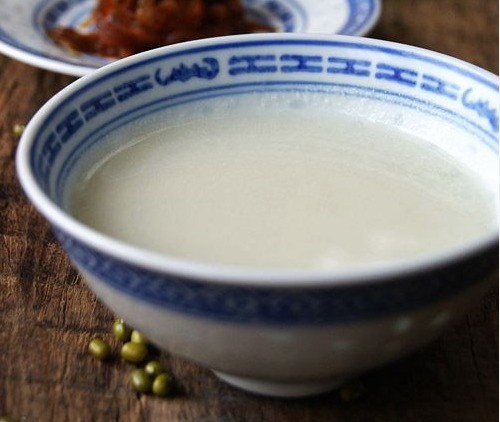
Embark on a culinary adventure to Beijing with ‘Fermented Mung Bean Milk’, or Douzhir (豆汁儿), a truly iconic and often polarizing breakfast staple. This ancient beverage, made from fermented mung beans, boasts a distinctive sour and slightly savory flavor that embodies the heart of traditional Beijing cuisine. Far from your typical milk, Douzhir offers a unique sensory experience – a testament to Beijing’s rich culinary heritage. Perfect for adventurous foodies seeking an authentic taste of local life, this guide delves into its history, nutritional benefits, and offers professional tips for preparation. Discover why ‘Fermented Mung Bean Milk’ is more than just a drink; it’s a cultural touchstone, often enjoyed with fried dough rings (jiaoquan) and pickled vegetables, promising an unforgettable journey into the flavors of old Beijing.
Origin & History
The origins of Douzhir, or Fermented Mung Bean Milk, trace back over a thousand years to the Liao and Song Dynasties. It began not as a standalone beverage, but rather as a fortuitous byproduct of the traditional process of making mung bean starch and vermicelli. When mung beans were ground and soaked to extract their starch, the remaining liquid, initially discarded, was discovered to have a unique taste after natural fermentation. Resourceful common folk, unwilling to waste any part of the precious mung bean, began to consume this fermented liquid, appreciating its low cost and nourishing properties.
Over centuries, this humble byproduct evolved into a staple, particularly flourishing in Beijing during the Qing Dynasty. It became an indispensable part of the local diet, enjoyed by rickshaw drivers, laborers, and even members of the imperial court who appreciated its distinct flavor and health benefits. Today, Douzhir stands as a “living fossil” of Beijing’s culinary heritage, a testament to the city’s enduring traditions and the ingenuity of its people, deeply woven into the fabric of daily life and culinary identity.
Nutritional Benefits
Fermented Mung Bean Milk, derived from mung beans, offers a surprising array of health benefits. Mung beans are naturally rich in essential nutrients, including dietary fiber, protein, and a spectrum of B vitamins, such as folate and B6, vital for energy metabolism. They also provide key minerals like iron, magnesium, and potassium. The fermentation process further enhances digestibility and can aid in breaking down complex carbohydrates, making nutrients more accessible. While not a strong probiotic source like yogurt, traditional beliefs suggest it can help with digestion and offer a ‘cooling’ effect according to Traditional Chinese Medicine principles. It’s a low-fat, nutrient-dense beverage that contributes to overall well-being.
🥢 Ingredients
- 500g dried mung beans (green split peas can also be used)
- Approximately 3-4 liters of water (for soaking, grinding, and separating)
- Optional: Small amount of water for initial rinse
🔥 Instructions
- Rinse the dried mung beans thoroughly under cold running water until the water runs clear.
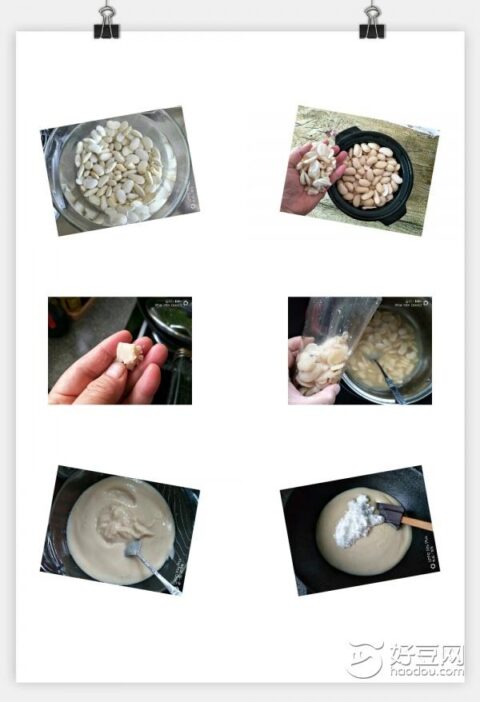
- Soak the mung beans in a large bowl with plenty of water (at least double the volume of beans) for 12-24 hours, or until they have visibly swollen and softened. Change the water once or twice if soaking for longer.
- Drain the soaked mung beans and transfer them to a high-speed blender. Add about 2-3 liters of fresh water, ensuring there’s enough liquid to blend smoothly. Blend until a very fine, smooth paste is formed, similar to a thin batter.
- Strain the blended mixture through a fine-mesh sieve or, ideally, a cheesecloth-lined colander into a large container. Squeeze or press the solids firmly to extract as much liquid as possible. This liquid is your raw Douzhir. The leftover solids (mung bean dregs) can be used for other dishes.
- Cover the container loosely with a lid or cloth and let the liquid ferment at room temperature (around 20-25°C or 68-77°F) for 1-3 days. The fermentation time will vary depending on the ambient temperature and desired sourness. You’ll notice a distinct sour aroma and possibly some foam on the surface. Skim off any impurities or thick foam that rises to the top.
- Once fermented to your liking, gently pour the Douzhir into a pot, being careful not to disturb any settled starch at the bottom (this starch is often used to make mung bean jelly).
- Heat the Douzhir over medium-low heat, stirring constantly to prevent it from sticking or burning. Do not boil vigorously; just bring it to a gentle simmer. The color will change from cloudy white to a light grayish-green. Continue to simmer for about 5-10 minutes.
- Serve the hot Fermented Mung Bean Milk immediately, typically accompanied by crispy fried dough rings (jiaoquan) and finely chopped pickled vegetables (like mustard greens or radish).
👨🍳 Pro Tips
- Optimal Fermentation is Key: The unique sour and tangy flavor of Douzhir comes from its fermentation. For an authentic taste, allow the blended mung bean liquid to ferment at room temperature for 1-3 days. Taste regularly to achieve your preferred level of sourness; too short and it’s bland, too long and it can become overly pungent.
- Fine Grind for Smoothness: Ensure your mung beans are blended into an exceptionally fine, smooth paste. Any grittiness will detract from the characteristic velvety texture of traditional Douzhir. Using a powerful blender and straining meticulously through cheesecloth or a fine sieve is crucial.
- Separate the Starch Wisely: After blending and straining, the heavy mung bean starch will settle at the bottom of the container during fermentation. For true Douzhir, carefully decant the fermented liquid from the top, leaving the starch behind. This starch is often collected and can be used to make mung bean jelly (凉粉 liángfěn).
- Gentle Heating, Never Boil: When heating your fermented Douzhir, do so gently over medium-low heat, stirring continuously. Avoid bringing it to a rolling boil, as this can alter its delicate flavor and potentially curdle the liquid. A gentle simmer is all that’s needed to warm it through and achieve its characteristic grayish-green hue.
- Authentic Accompaniments Elevate the Experience: To truly savor Fermented Mung Bean Milk like a local Beijinger, serve it hot with traditional side dishes. Crispy fried dough rings (焦圈 jiaoquan) for dipping and finely chopped, sour pickled vegetables (咸菜 xiáncài), especially pickled mustard greens, provide a perfect textural and flavor contrast to the beverage’s unique profile.