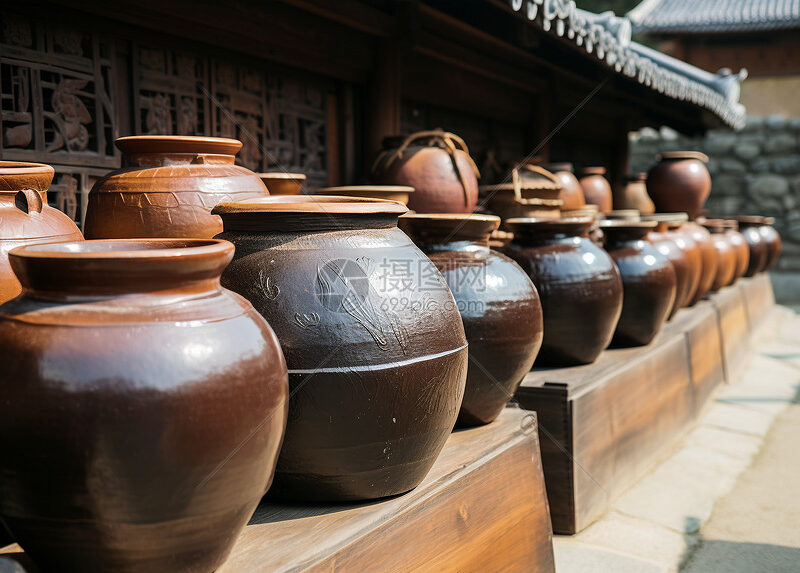
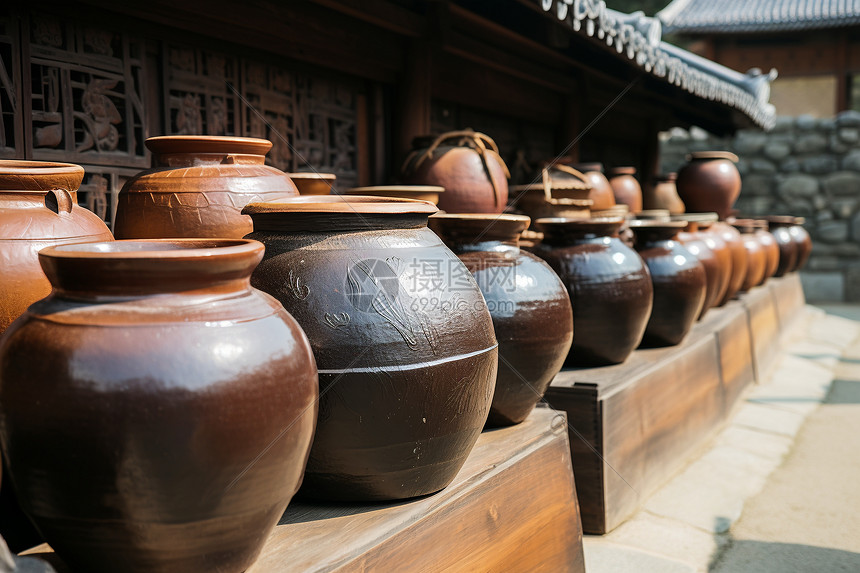
Embark on a culinary journey to Jiangxi province with the exquisite Chinese Clay Pot Soup, known as Waguantang. This iconic dish of Gan Cuisine is celebrated for its unique slow-cooking method, where ingredients are gently simmered for hours—sometimes even overnight—in individual sealed clay pots. These smaller pots are traditionally nested within a much larger, charcoal-fired vat, allowing for incredibly even and gentle heat distribution. The result is a profoundly aromatic and deeply flavorful broth, rich in extracted nutrients and remarkably tender ingredients that practically melt in your mouth. Whether featuring succulent pork ribs, tender chicken, or a delicate blend of medicinal herbs and vegetables, each variant of Clay Pot Soup offers a comforting and restorative experience. Discover why Waguantang is not just a meal, but a testament to traditional Chinese culinary artistry, perfect for those seeking authentic, healthful flavors and a deeply nourishing indulgence. Its delicate taste and healthful properties make it a must-try.
Origin & History
The history of Waguantang, or Chinese Clay Pot Soup, is deeply intertwined with the culinary traditions of Jiangxi Province, particularly Nanchang. Its origins can be traced back centuries, evolving from ancient Chinese methods of slow cooking. The defining characteristic of Waguantang—the use of individual, small clay pots—is not merely aesthetic but central to its flavor profile. These pots are placed into massive, cylindrical clay urns (the ‘瓦罐’ or ‘vat pot’), which are then heated by burning charcoal or wood for extended periods, often eight to ten hours. This ingenious method ensures a gentle, consistent heat that prevents rapid evaporation, sealing in the ingredients’ natural moisture, aromas, and flavors. It was traditionally a dish consumed by local farmers and laborers, prized for its ability to provide sustained energy and warmth. Over time, as its exceptional taste and health benefits became widely recognized, Waguantang transcended its humble beginnings to become a signature dish of Gan Cuisine, beloved across China and increasingly appreciated internationally. It embodies a philosophy of patient cooking that yields profound culinary rewards.
Nutritional Benefits
Chinese Clay Pot Soup (Waguantang) is celebrated not only for its exquisite taste but also for its remarkable nutritional benefits. The extended, gentle simmering process in a sealed clay pot is key, as it helps to break down ingredients while preserving essential vitamins, minerals, and amino acids that might otherwise be lost through harsher cooking methods. Rich in easily digestible proteins from chicken or pork, it also incorporates various herbs and vegetables like goji berries and red dates, boosting antioxidant intake and promoting overall well-being. This hydrating soup aids digestion, provides warmth, and is often considered a restorative tonic in traditional Chinese medicine, perfect for boosting immunity and replenishing energy.
🥢 Ingredients
- 300g pork spare ribs, chopped into 2-inch pieces
- 2 chicken drumsticks or thighs
- 6-8 dried shiitake mushrooms, rehydrated
- 5-6 slices fresh ginger
- 5-6 red dates (jujubes)
- 1 tablespoon goji berries (wolfberries)
- 1 teaspoon salt (or to taste)
- 1/4 teaspoon white pepper (or to taste)
- Water (enough to cover ingredients in the clay pot)
🔥 Instructions
- **Prepare Meats:** Blanch the pork ribs and chicken pieces in boiling water for 2-3 minutes to remove impurities and scum. Rinse thoroughly under cold water and drain.
- **Rehydrate Mushrooms & Prepare Aromatics:** Soak dried shiitake mushrooms in warm water until soft, then trim off the tough stems. Slice ginger and wash red dates and goji berries.
- **Assemble Clay Pot:** Place the blanched pork ribs, chicken pieces, rehydrated shiitake mushrooms, ginger slices, and red dates into an individual small clay pot (or a suitable slow cooker insert if a large vat is unavailable).
- **Add Water:** Pour fresh water over the ingredients until they are fully submerged, leaving about an inch of space from the rim of the pot.
- **Slow Simmer:** Cover the clay pot tightly. If using a traditional method, place it into a large charcoal-fired vat. If using a modern kitchen setup, place it in a steamer, an oven on very low heat (around 100°C/210°F), or a slow cooker on the “low” setting. Simmer for at least 4-6 hours, or ideally 8+ hours, maintaining a gentle boil/simmer.
- **Final Seasoning & Garnish:** About 30 minutes before serving, add the goji berries to the soup. Season with salt and white pepper to taste. Serve hot.
👨🍳 Pro Tips
- **Choose the Right Clay Pot:** For authentic Waguantang, use unglazed or lightly glazed clay pots. Their porous nature allows for gentle, even heat distribution and better flavor development. Ensure the lid fits snugly to minimize evaporation.
- **Blanch Meat Thoroughly:** Always blanch your meats (pork ribs, chicken) before adding them to the clay pot. This crucial step removes impurities and results in a clearer, cleaner, and more aromatic broth, free of scum.
- **Go “Low and Slow”:** The essence of Waguantang is slow cooking. Whether using a traditional vat, a slow cooker, or a low oven, maintain a consistently low temperature for many hours. Patience is key to extracting deep flavors and achieving tender, fall-off-the-bone meat.
- **Season Towards the End:** Add salt and white pepper in the last 30 minutes of cooking. This prevents over-salting as the broth concentrates and allows you to adjust the seasoning perfectly before serving.
- **Embrace Variety:** While chicken and pork are common, Waguantang can feature a wide array of ingredients. Experiment with different proteins (duck, lean beef), vegetables (bamboo shoots, lotus root), and traditional Chinese herbs to discover your favorite variations.