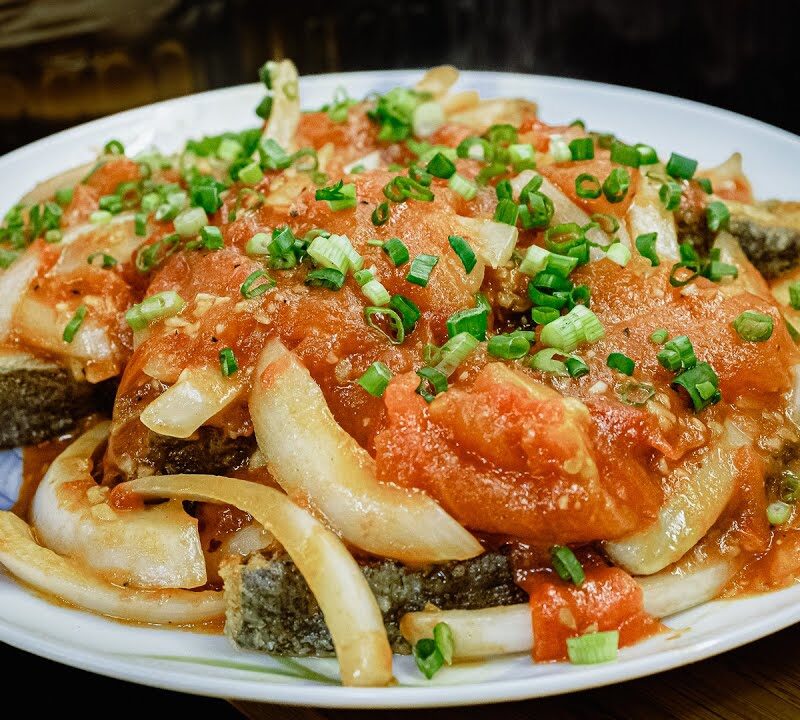
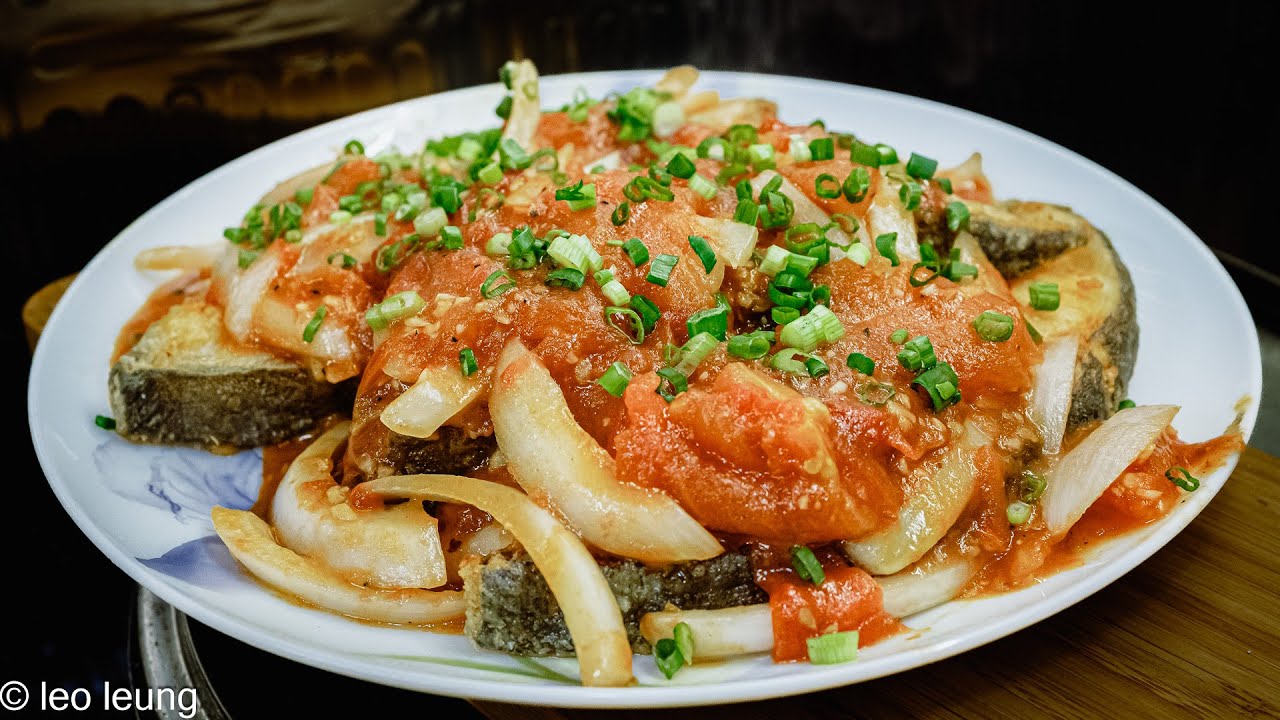
Dive into the heart of authentic Chinese gastronomy with ‘Braised Fish Belly’ (扒鱼腹), a magnificent representative of Shandong Cuisine (Lu Cai). This dish showcases the culinary mastery of China’s eastern coastal province, famous for its fresh seafood and exquisite braising techniques. Prepare to be enchanted by the delicate balance of flavors and textures as tender, succulent Braised Fish Belly is simmered to perfection in a rich, savory sauce. Beyond its irresistible taste, Braised Fish Belly offers a glimpse into centuries of culinary tradition, embodying comfort, elegance, and wholesome goodness. Whether you’re a seasoned foodie or a curious newcomer, exploring this classic will deepen your appreciation for Chinese culinary heritage and inspire your next kitchen adventure. Discover the secrets to making this celebrated dish at home and impress your guests with its refined flavors.
Origin & History
Shandong cuisine (Lu Cai) proudly stands as one of the Eight Great Cuisines of China, renowned for its emphasis on fresh seafood, clear broths, and the preservation of natural flavors. The ‘扒’ (bá) cooking method, which translates to braising or stewing after an initial searing or light frying, is a hallmark of this tradition. ‘Braised Fish Belly’ (扒鱼腹) perfectly exemplifies this technique, showcasing the region’s abundant coastal resources and the refined skills of its chefs.
Historically, Shandong chefs, particularly those serving imperial courts and local gentry, developed sophisticated methods to cook fish. They aimed to enhance its delicate taste while infusing it with savory sauces. This dish likely evolved from a desire to utilize the most succulent part of large fish, transforming a humble cut into a luxurious delicacy. Its enduring popularity is a testament to its comforting texture, sophisticated flavor profile, and the timeless appeal of well-prepared seafood, cementing its place in China’s rich culinary heritage.
Nutritional Benefits
Beyond its exquisite taste, ‘Braised Fish Belly’ offers a range of impressive health benefits. Fish belly, especially from species like cod or turbot, is an excellent source of omega-3 fatty acids, crucial for maintaining heart health, enhancing brain function, and reducing inflammation throughout the body. This dish is also packed with high-quality protein, essential for muscle repair, growth, and overall cellular health. Furthermore, fish provides vital vitamins such as D and B12, along with important minerals like selenium. When prepared with a balanced approach, minimizing excessive oil, ‘Braised Fish Belly’ delivers a wholesome, nutrient-dense meal that supports overall well-being.
🥢 Ingredients
- 500g large fish belly (e.g., cod, turbot, or large carp belly), cleaned and patted dry
- 2 tbsp vegetable oil
- 2 slices fresh ginger
- 2 spring onions, cut into 5cm sections
- 2 cloves garlic, thinly sliced
- 1 cup rich chicken or fish broth
- 2 tbsp Shaoxing wine
- 1 tbsp light soy sauce
- 1/2 tsp dark soy sauce (for color, optional)
- 1/2 tsp sugar
- Salt to taste
- 1 tbsp cornstarch mixed with 2 tbsp cold water (for slurry)
- A few drops sesame oil (for finishing)
- Fresh coriander or chopped spring onions for garnish
🔥 Instructions
- **Prepare the Fish:** Pat the fish belly thoroughly dry with paper towels. If the piece is very large, you can score the skin side lightly to prevent curling during cooking. Season lightly with salt and a dash of Shaoxing wine.
- **Pan-Fry the Fish:** Heat a wok or large pan over medium-high heat and add vegetable oil. Once hot, carefully place the fish belly skin-side down. Fry for 2-3 minutes until the skin is golden and crispy. Gently flip and fry the other side for another 1-2 minutes until lightly browned. Remove the fish and set aside.
- **Sauté Aromatics:** In the same pan, if needed, add a tiny bit more oil. Sauté the ginger, spring onion sections, and sliced garlic until fragrant, about 30 seconds to 1 minute.
- **Build the Braising Liquid:** Deglaze the pan with Shaoxing wine. Add the chicken/fish broth, light soy sauce, dark soy sauce (if using), and sugar. Bring the mixture to a gentle simmer.
- **Braise the Fish:** Carefully return the pan-fried fish belly to the braising liquid. Ensure the fish is mostly submerged or spoon the sauce over it to ensure even flavoring.
- **Simmer and Infuse:** Reduce the heat to low, cover the pan, and let it braise for 10-15 minutes, or until the fish is cooked through, tender, and has absorbed the delicious flavors of the sauce.
- **Thicken the Sauce:** Gently transfer the braised fish belly to your serving platter. Bring the braising liquid remaining in the pan back to a simmer. Stir the cornstarch slurry thoroughly, then gradually add it to the simmering sauce, stirring continuously, until the sauce thickens to your desired consistency. Taste and adjust seasoning with salt if necessary.
- **Serve:** Generously spoon the thickened sauce over the ‘Braised Fish Belly’. Finish with a few drops of sesame oil. Garnish with fresh coriander or chopped spring onions and serve immediately with steamed rice.
👨🍳 Pro Tips
[‘**Crispy Skin First**: Always pat your fish belly *very* dry before pan-frying. This critical step ensures a beautifully golden and crispy skin, providing a delightful textural contrast to the tender braised flesh.’, ‘**Gentle Handling is Key**: Fish belly is inherently delicate. Use a wide, flexible spatula or two spatulas when flipping or transferring the fish to prevent it from breaking apart and maintain its elegant presentation.’, “**Elevate with Flavorful Broth**: While water can serve as a base, using a rich, homemade chicken or fish broth will significantly deepen the umami and overall complexity of your braising liquid, truly elevating the dish’s flavor profile.”, “**Braise, Don’t Boil**: Maintain a gentle, consistent simmer during the braising process, rather than a rolling boil. High heat can toughen the delicate fish and cause it to disintegrate; low and slow ensures the fish absorbs flavors while remaining incredibly tender.”, “**Achieve Perfect Sauce Consistency**: When thickening the sauce with a cornstarch slurry, add it gradually while continuously stirring. Stop when the sauce lightly coats the back of a spoon; too thick and it can become gluey, too thin and it won’t cling beautifully to the fish.”]