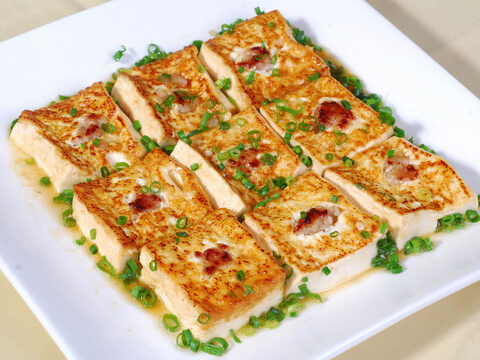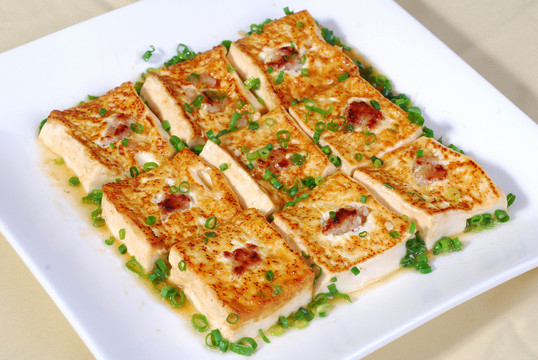
Journey with me into the heart of Hakka culinary tradition to discover the beloved Yong Tau Foo. This iconic dish, literally translating to ‘stuffed tofu,’ is a testament to resourceful and flavorful cooking. At its core, it features delicate pieces of tofu and an array of fresh vegetables – from bitter gourd and eggplant to chilies and mushrooms – meticulously stuffed with a savory, springy fish or meat paste. While its origins lie with the Hakka people, Yong Tau Foo has transcended cultural boundaries, becoming a staple across Southeast Asia, celebrated for its versatility and wholesome appeal. Whether served in a clear, comforting broth, pan-fried to a golden crisp, or simply steamed, each bite offers a delightful medley of textures and a harmonious blend of flavors. It’s more than just a meal; it’s a comforting embrace of heritage, a perfect balance of protein and greens that nourishes both body and soul. Get ready to explore the magic behind this humble yet incredibly satisfying dish!
Origin & History
The fascinating history of Yong Tau Foo is deeply intertwined with the migratory journeys of the Hakka people, a sub-group of Han Chinese. Legend has it that as the Hakka migrated from northern China to the southern provinces and eventually Southeast Asia, they missed their traditional dumplings (jiaozi) and glutinous rice balls (tangyuan). However, wheat flour, a key ingredient for dumpling wrappers, was scarce in their new settlements. Resourceful and adaptive, they turned to readily available ingredients. Tofu, a staple in southern Chinese cuisine, became their ingenious substitute for dumpling wrappers.
The Hakka began to ‘stuff’ tofu with a savory minced meat and fish paste, mimicking the filling of their cherished dumplings. This practice gradually evolved to include a wider variety of vegetables, such as bitter gourd, eggplant, chilies, and mushrooms, all hollowed out and filled with the same delicious mixture. What began as a creative adaptation born out of necessity transformed into a distinct and beloved culinary art form. Yong Tau Foo not only satisfied their longing for familiar flavors but also became a symbol of Hakka culinary identity, flourishing especially in regions like Malaysia, Singapore, and parts of Indonesia where Hakka communities settled.
Nutritional Benefits
Yong Tau Foo is not just delicious; it’s a remarkably healthy choice, especially when prepared with care. The primary ingredients – tofu and fish or lean meat paste – provide an excellent source of high-quality protein, essential for muscle repair and growth. It’s often packed with a colorful assortment of vegetables like bitter gourd, eggplant, and chilies, contributing vital vitamins, minerals, and dietary fiber. This fiber aids digestion and helps maintain gut health. When steamed or boiled in a light broth, Yong Tau Foo is naturally low in fat and calories, making it an ideal option for a balanced and nourishing meal. It’s a wholesome dish that truly nourishes from within.
🥢 Ingredients
- 500g firm tofu, pressed and cut into triangles or rectangles
- 1 large bitter gourd, sliced and seeds removed
- 2 medium eggplants, cut into sections
- 2-3 large red chilies or bell peppers, halved and deseeded
- 4-5 okra, stems trimmed
- 4-5 shiitake mushrooms, stemmed
- 200g fish paste (or a mix of minced pork, fish, and shrimp paste)
- 1 tbsp cornstarch
- 1 tsp sesame oil
- 1/2 tsp white pepper
- 1 tsp sugar
- 1 tsp salt
- 2 spring onions, finely chopped (for filling)
- For Soup (Optional): 500g pork ribs or chicken bones, 100g dried soybeans, 50g dried anchovies, 2 liters water
- Garnish: Fresh spring onions, fried shallots
- Serving Sauces: Sweet bean sauce, chili sauce
🔥 Instructions
- Prepare the Filling: In a bowl, combine fish paste (or mixed meat paste), cornstarch, sesame oil, white pepper, sugar, salt, and chopped spring onions. Mix thoroughly in one direction until well combined and slightly sticky.
- Prepare Tofu and Vegetables: Gently hollow out the center of the tofu pieces. For vegetables like bitter gourd, eggplant, and chilies, slice them and carefully remove the seeds or insides to create a cavity. Score the inner flesh of eggplant and bitter gourd to help it cook evenly and absorb flavor.
- Stuff the Ingredients: Using a spoon or a small spatula, carefully stuff the prepared filling into the cavities of the tofu and vegetables. Ensure the filling is packed firmly but not overstuffed.
- Cook the Yong Tau Foo:
- Pan-frying (for extra flavor): Heat a little oil in a pan. Pan-fry the stuffed side of the tofu and vegetables until golden brown and cooked through. Set aside.
- Boiling/Steaming: Arrange the stuffed ingredients on a plate for steaming, or carefully place them into a simmering pot of broth (if making soup). Steam for 10-15 minutes or boil until the filling is cooked and firm.
- Prepare the Soup (Optional): If making a soup version, boil pork ribs/chicken bones, dried soybeans, and dried anchovies in 2 liters of water for at least 1 hour to create a flavorful broth. Skim off any impurities.
- Assemble and Serve: Place the cooked Yong Tau Foo (pan-fried, boiled, or steamed) into serving bowls. If using, ladle the hot, clear broth over them. Garnish with fresh spring onions and fried shallots. Serve immediately with sweet bean sauce and chili sauce on the side.
👨🍳 Pro Tips
- Master the Filling: For the best texture, ensure your fish or meat paste is very finely minced or pureed. Mixing in one direction helps create a springy, bouncy texture. Adding a small amount of ice water during mixing can also contribute to a smoother, more elastic paste.
- Drain Tofu Thoroughly: Tofu holds a lot of water. Pressing and draining it well before stuffing prevents a watery filling and allows the paste to adhere better. This step is crucial for both frying and boiling methods.
- Don’t Overstuff: While you want a generous filling, overstuffing can cause the paste to burst out during cooking. Pack it firmly but leave a little room for expansion. Scoring the inner surface of vegetables like eggplant and bitter gourd helps the paste stick.
- Vary Cooking Methods: For a delightful mix of textures, pan-fry some of your Yong Tau Foo until golden and slightly crispy, while boiling or steaming others for a softer, more delicate bite. This offers a fantastic contrast in your bowl.
- Homemade Sauces Make a Difference: While store-bought sweet and chili sauces are convenient, preparing your own elevates the experience. A simple sweet sauce can be made with fermented bean paste, sugar, and water, thickened slightly; a fresh chili sauce with chilies, garlic, and vinegar offers vibrant heat.