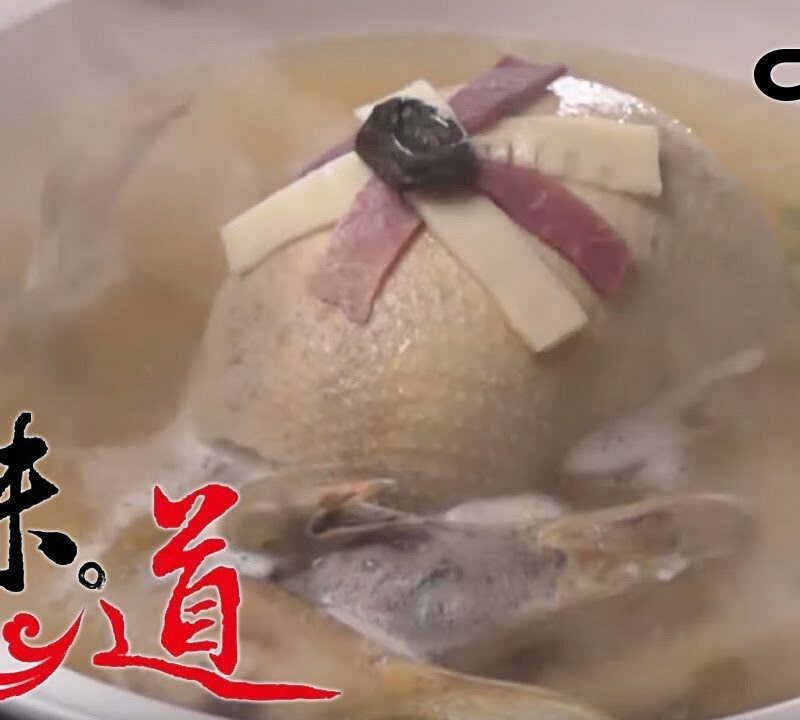
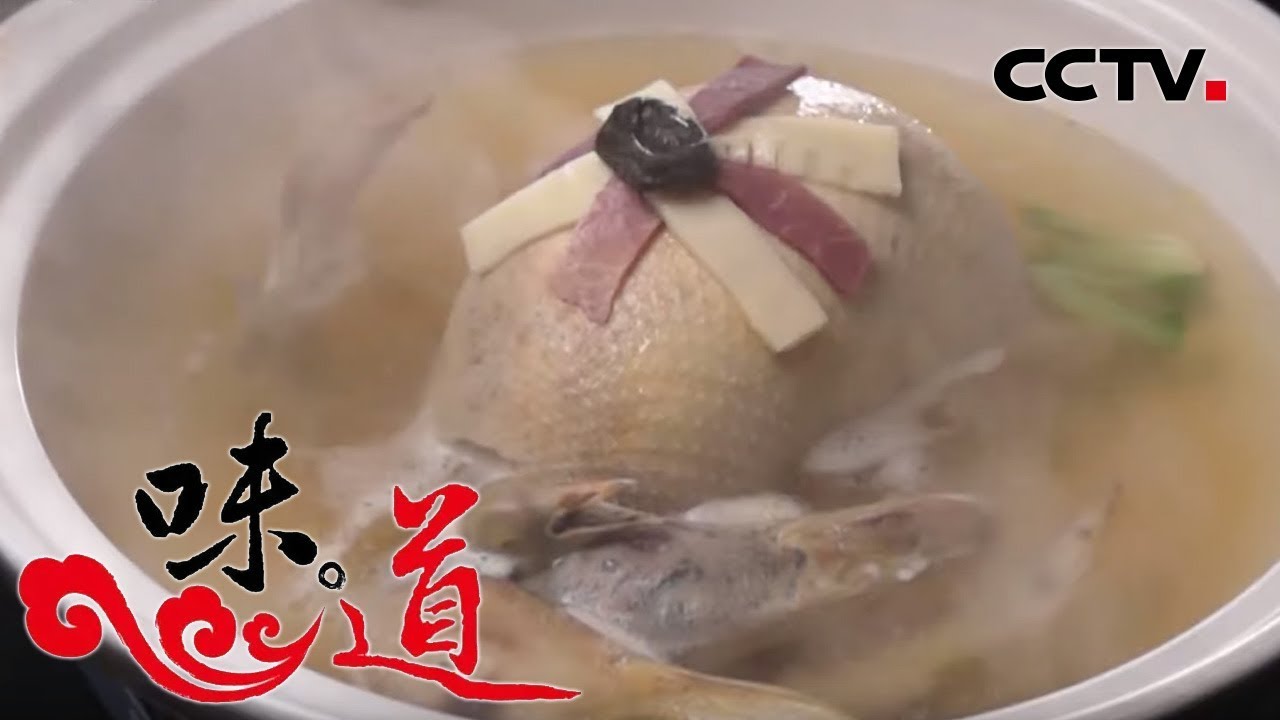
Prepare to embark on a gastronomic journey as we delve into the exquisite world of Yangzhou Triple-Stuffed Duck, a true testament to the intricate artistry of Jiangsu cuisine. This legendary dish, known as ‘扬州三套鸭’ in Chinese, is far more than just a meal; it’s a meticulously crafted culinary spectacle. Featuring a deboned duck, skillfully stuffed with a smaller deboned duck, which in turn encases a succulent pigeon or quail, Yangzhou Triple-Stuffed Duck promises layers of tender meat, rich flavors, and an unparalleled texture. Perfect for special occasions or an unforgettable dining experience, this dish is a highlight of traditional Chinese banquets and a must-try for any food enthusiast seeking authentic, high-quality Chinese gastronomy. Discover why Yangzhou Triple-Stuffed Duck remains a cherished icon of culinary excellence, blending ancient techniques with profound flavors.
Origin & History
The origins of Yangzhou Triple-Stuffed Duck are deeply rooted in the rich culinary traditions of Yangzhou, a city renowned for its sophisticated cuisine and historical importance in Jiangsu province. This elaborate dish is a prime example of the intricate ‘Wen Huo Cai’ (slow-cooked dishes) for which Yangzhou is famous. While precise historical records of its inception are scarce, it is widely believed to have evolved during the Qing Dynasty (1644-1912), a period marked by significant culinary innovation and the demand for increasingly complex and visually stunning dishes to entertain imperial officials and wealthy merchants along the Grand Canal. The concept of ‘nesting’ different birds – an outer duck, an inner duck, and a pigeon or quail – was not merely a spectacle but a genius method to enhance flavor, tenderness, and moisture through a slow steaming process, creating a harmonious blend of textures and aromas. This intricate technique required exceptional knife skills for deboning each bird without breaking the skin and a profound understanding of flavor infusion, passed down through generations of master chefs. Yangzhou Triple-Stuffed Duck thus represents a pinnacle of traditional Chinese culinary artistry, embodying centuries of gastronomic heritage and the pursuit of culinary perfection.
Nutritional Benefits
Yangzhou Triple-Stuffed Duck, while rich and indulgent, offers several nutritional benefits. Duck meat is an excellent source of high-quality protein, essential for muscle repair and growth. It also provides significant amounts of B vitamins, particularly B3 (niacin) and B12, which are crucial for energy metabolism and nerve function. Furthermore, duck contains minerals like iron, phosphorus, and selenium, supporting blood health, bone strength, and antioxidant defense. The combination of different poultry also offers a diverse nutrient profile. When prepared with less added fat and served with accompanying vegetables, it can be part of a balanced diet, providing sustained energy and vital nutrients.
🥢 Ingredients
- 1 large whole duck (outer layer), deboned
- 1 medium whole duck (inner layer), deboned
- 1 whole pigeon or quail (innermost layer), deboned
- 100g cured Jinhua ham, sliced
- 50g dried shiitake mushrooms, rehydrated and sliced
- 50g bamboo shoots, sliced
- 20g ginger, sliced
- 20g green onions, cut into sections
- 1 tbsp Shaoxing wine
- 1 tsp salt (adjust to taste)
- 1/2 tsp white pepper
- Optional: Small amount of chicken broth for steaming
🔥 Instructions
- Prepare the Birds: Carefully debone all three birds (large duck, medium duck, pigeon/quail) through the neck cavity, ensuring the skin remains intact. This requires precise knife skills.
- Seasoning: Season the inside and outside of each deboned bird lightly with salt, white pepper, and a touch of Shaoxing wine.
- Prepare Stuffing: In a bowl, combine sliced Jinhua ham, rehydrated shiitake mushrooms, and bamboo shoots.
- First Stuffing (Pigeon): Stuff a small amount of the prepared ham and vegetable mixture into the deboned pigeon/quail. Shape it to resemble a whole bird.
- Second Stuffing (Inner Duck): Carefully insert the stuffed pigeon/quail into the deboned medium duck. Stuff remaining ham and vegetable mixture around the pigeon inside the duck.
- Third Stuffing (Outer Duck): Gently place the stuffed medium duck into the deboned large duck. Ensure all birds are neatly nested within each other, maintaining their original shape as much as possible.
- Seal and Steam: Securely close the cavities of the outermost duck with toothpicks or by sewing. Place the triple-stuffed duck in a deep heatproof bowl with ginger slices, green onion sections, and a splash of Shaoxing wine. Add a small amount of chicken broth if desired.
- Steaming: Steam the duck in a large steamer over high heat, then reduce to medium heat and continue steaming for 3-4 hours, or until the meat is incredibly tender and falling off the bone. Ensure the water level in the steamer is maintained.
- Serve: Carefully remove the duck from the steamer. Discard ginger and green onions. Carve the duck at the table to reveal the layers, or portion it out, ensuring each serving gets a taste of all three birds and the delicious stuffing and broth.
👨🍳 Pro Tips
- Master Deboning: Practice deboning on less expensive poultry first. A sharp, flexible boning knife is essential. The key is to separate the meat from the bone without piercing the skin, especially around joints.
- Balanced Seasoning: Given the multiple layers and the richness of Jinhua ham, be judicious with salt. Season each bird lightly, as the overall flavor will concentrate during steaming. Taste your ham and adjust accordingly.
- Tight Stuffing: Ensure the birds are stuffed snugly but not overly packed. This helps them maintain their shape and allows the flavors to meld properly without creating air pockets.
- Slow and Steady Steaming: The long, slow steaming process is crucial. It renders the fat, tenderizes the meat to perfection, and allows the flavors from all three birds and the stuffing to intermingle, creating a deeply aromatic and flavorful broth.
- Presentation is Key: For serving, consider gently transferring the whole duck to a large platter before carving. The reveal of the nested birds is part of the dish’s allure. Garnish with fresh herbs or blanched vegetables for visual appeal.