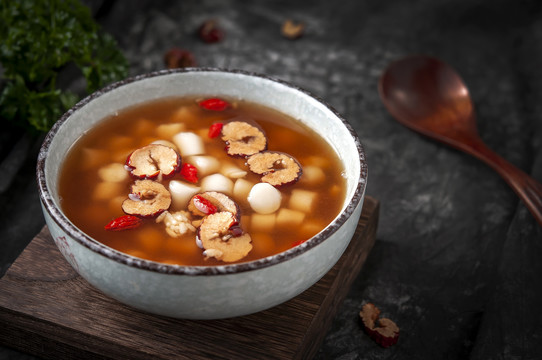
Step into a world of comforting sweetness with Fermented Rice Dumplings Soup, known in Mandarin as ‘醪糟汤圆’ (Láo zāo Tāng yuán). This beloved Chinese dessert is a delightful symphony of textures and flavors, combining the unique, subtly alcoholic tang of sweet fermented glutinous rice (醪糟) with the soft, chewy bite of delicate glutinous rice balls (汤圆). Originating from Sichuan, but cherished across China, this heartwarming soup is more than just a dessert; it’s a hug in a bowl, often enjoyed during cooler months, after a rich meal, or simply as a comforting snack. Each spoonful of Fermented Rice Dumplings Soup offers a harmonious blend of warmth, sweetness, and a touch of fragrant zest, making it an irresistible treat that truly nourishes the soul. Get ready to discover why this traditional dish continues to capture hearts and palates.
Origin & History
The history of Fermented Rice Dumplings Soup is intertwined with the ancient culinary traditions of China, bringing together two venerable ingredients: Laozao (醪糟) and Tangyuan (汤圆). Laozao, or sweet fermented glutinous rice, has a history stretching back millennia, prized not only for its sweet and slightly tangy flavor but also for its perceived warming and health-giving properties, especially for new mothers or during cold seasons. It is a staple of home-cooked remedies and delightful desserts.
Tangyuan, on the other hand, are traditional glutinous rice balls, symbolizing reunion and completeness (团圆, tuányuán). They are famously consumed during the Lantern Festival (元宵节) and other significant family gatherings. The ingenious combination of these two elements, particularly prevalent in regions like Sichuan, creates a dish that offers both symbolic meaning and gastronomic pleasure. While its exact origin date is hard to pinpoint, the dish likely evolved naturally from the desire to combine readily available ingredients into a comforting, energy-boosting treat, solidifying its place as a cherished dessert across many Chinese households.
Nutritional Benefits
Fermented Rice Dumplings Soup offers more than just deliciousness; it provides a unique set of nutritional benefits. The star ingredient, laozao, is rich in enzymes from the fermentation process, which can aid digestion and boost appetite. Although mildly alcoholic, it’s often consumed for its ‘warming’ properties in traditional Chinese medicine. The glutinous rice balls (tangyuan) provide a quick source of energy, making it an excellent pick-me-up. When prepared with minimal added sugar and perhaps garnished with goji berries, this soup can be a comforting, easily digestible, and surprisingly wholesome treat that offers both warmth and a touch of natural sweetness.
🥢 Ingredients
- 1 cup mini Tangyuan (glutinous rice balls), fresh or frozen
- 1.5 – 2 cups sweet fermented glutinous rice (醪糟, Láo zāo), store-bought or homemade
- 4 cups water
- 2-3 tablespoons rock sugar (冰糖, Bīng táng), or to taste
- 1 tablespoon goji berries (枸杞, Gǒuqǐ), optional
- 1 teaspoon dried osmanthus flowers (桂花, Guìhuā), optional, for garnish
🔥 Instructions
- Bring 4 cups of water to a rolling boil in a medium pot over high heat.
- Add the mini Tangyuan to the boiling water. Stir gently to prevent them from sticking together or to the bottom of the pot.
- Cook the Tangyuan for about 3-5 minutes, or until they float to the surface and appear slightly translucent and plump.
- Reduce the heat to medium-low. Add the sweet fermented glutinous rice (Laozao) and rock sugar to the pot. Stir gently until the rock sugar has dissolved.
- If using, add the goji berries at this stage. Simmer for another 1-2 minutes, just enough to warm through the laozao and allow the flavors to meld, but do not overcook as this can diminish the delicate flavor of the fermented rice.
- Carefully pour the Fermented Rice Dumplings Soup into serving bowls.
- Garnish with a sprinkle of dried osmanthus flowers, if desired, for an added fragrant touch. Serve warm and enjoy immediately.
👨🍳 Pro Tips
- Choose Quality Laozao: The flavor of your soup heavily depends on the quality of the sweet fermented rice. Look for laozao that has a clear liquid, a slightly sweet aroma, and plump, intact rice grains.
- Don’t Overcook Tangyuan: Glutinous rice balls can become overly soft and mushy if cooked for too long. Cook them just until they float and are tender-chewy, then immediately proceed with adding the laozao.
- Gentle Stirring is Key: Both tangyuan and laozao are delicate. Stir gently throughout the cooking process to prevent the rice balls from breaking and to keep the fermented rice grains intact.
- Adjust Sweetness to Taste: The sweetness of laozao varies. Start with less rock sugar and add more to your preference. Remember, a subtle sweetness often allows the unique flavor of the fermented rice to shine through.
- Experiment with Add-ins: While delicious on its own, feel free to customize. Sliced ginger can add warmth, or a beaten egg swirled in at the end can create delicate ‘egg flowers’ for added texture and richness.